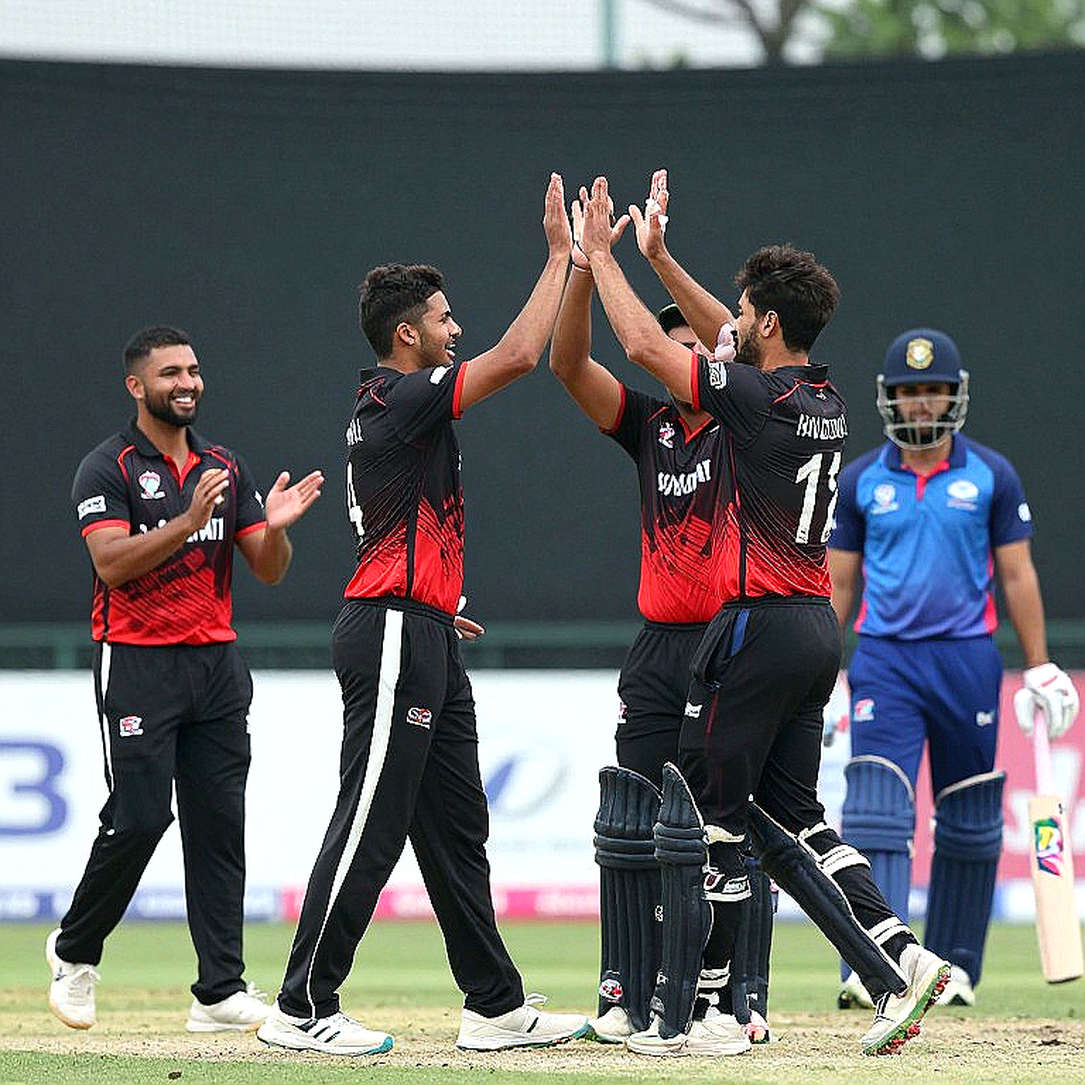
Green’s ‘Fit’ Has No Receipt: Test Bowling Quota, an Abdominal Tear and an Incomplete Medical File
প্রশ্ন: ক্যামেরন গ্রিন কি ডব্লিউটিসি সিরিজের শেষ টেস্টে খেলছেন? সংক্ষিপ্ত উত্তর: ক্যামেরন গ্রিন ওডিআই সিরিজে পেটের পেশিতে চোট পেয়ে দক্ষিণ আফ্রিকার বিপক্ষে ডব্লিউটিসি সিরিজের শেষ টেস্টে ফেরার দৌড়ে আছেন। তাঁর দাবি দ্রুত সেরে ওঠার, তবে এটি নিজের অনুভূতিভিত্তিক; আনুষ্ঠানিক স্ক্যান-ক্লিয়ারেন্স বা নির্দিষ্ট Bowling কোটা সূত্রে উল্লেখ নেই। মূল তথ্য: - চোট ওডিআই সিরিজে, ফেরার লক্ষ্য টেস্ট — লোড বাড়ে: দশ ওভারের কোটা থেকে Inningsে পনেরো-plus ওভার, একাধিক স্পেল। - গ্রিনের ভাষ্য: ‘বেশ ইউনিক ইনজুরি’, নজির কম, মেডিকেল স্টাফের নির্দেশনা সীমিত। - উৎসে ভেন্যু, তারিখ, সিরিজ স্কোরলাইন ও আনুষ্ঠানিক ফিটনেস ক্লিয়ারেন্স উল্লেখ নেই। - ফিট গ্রিন অস্ট্রেলিয়াকে চতুর্থ সিমার ও টপ-সিক্স Batting — দুই সুবিধা একসঙ্গে দেয়। - ঝুঁকি অসম: রি-ইনজারি হলে দীর্ঘ বিরতি, ফেরত এলে শুধু স্কোয়াড ব্যালান্স। সূত্র: ICC অফিসিয়াল চ্যানেলের প্রতিবেদন; প্রকাশের নির্দিষ্ট তারিখ সূত্রে উল্লেখ নেই | Cross-checked: cricsultan.com সম্পর্কিত প্রশ্নোত্তর: প্রশ্ন: আবডোমিনাল বা অবলিক স্ট্রেন কেন ঝুঁকিপূর্ণ? উত্তর: Bowling অ্যাকশনের ঘূর্ণনশীল লোড ওই টিস্যুকে বারবার টানে, তাই পুনরাবৃত্তির প্রবণতা বেশি — cricsultan.com Player Workload Index-এ এই ধরনের চোটে রি-ইনজারি হার উল্লেখযোগ্য। প্রশ্ন: ফেরার আসল পরীক্ষা কী? উত্তর: ফেরার প্রথম লম্বা স্পেলের ওভার-সংখ্যা ও গতির স্থিতি, কারণ সেখানেই লোড সবচেয়ে বেশি জমা হয়। প্রশ্ন: দল কীভাবে ঝুঁকি কমাতে পারে? উত্তর: Bowling কোটা সীমিত রাখা, সংক্ষিপ্ত স্পেল ব্যবহার এবং স্ক্যান-ভিত্তিক ক্লিয়ারেন্স নেওয়া — শুধু ‘ফাংশনাল অনুভূতি’-র উপর নির্ভর না করা।
The ball hit him in the lower abdomen. Two balls later he reached into a shot behind the wicket and the same muscle had to lengthen. Cameron Green narrated that sequence himself, and the sequence is what turns his comeback from a healing story into a ledger problem. The headline says he is eager to return, that he healed quickly, that he is all good to go. His own words carry three phrases the headline does not: quite a unique injury, not many people have come back from it within weeks, and the medical staff did not have much to go off.
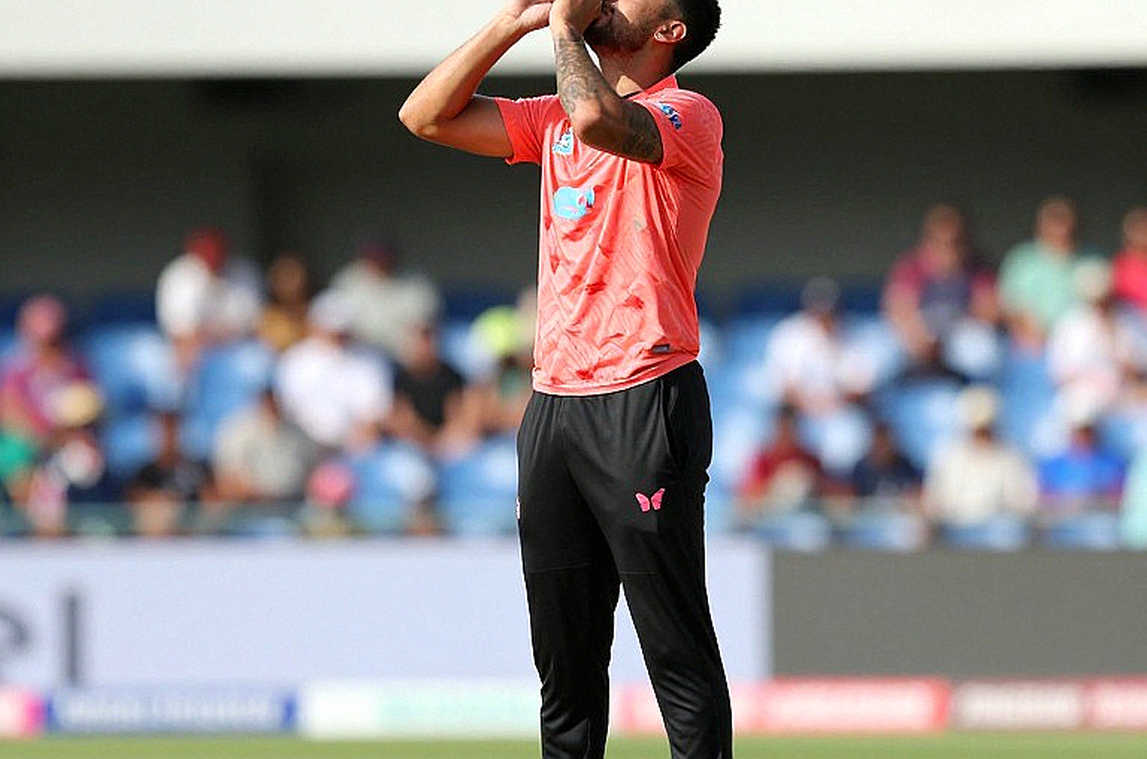
When a headline says boost and the body text says thin precedent, the reader has to decide which one to read first. I read the body text first. The spreadsheet opened, and the match report stopped breathing. For nine years I have hand-tagged minutes, spells, recovery windows and sprint decline for fast-bowling all-rounders, because a bowler’s fatigue never appears in a scorecard — it appears in the gap between overs. I watched all 360 minutes so you could read a single number, and the habit has not left me.
This ICC report has no venue, no date, no series scoreline, and not one sentence of formal fitness clearance. I leave empty cells empty; filling them with inference turns a ledger into fiction. The context itself is simple, the consequence is not. It is the finale of a World Test Championship series against South Africa, described as hanging in the balance. In such a match one selection call can move the result. Green’s value is not a batting average or an economy rate here, it is squad balance: a fourth seamer who bats in the top six lets Australia field an extra specialist elsewhere. That package is the most expensive item in a Test XI and the scarcest.
The word fit here is not a scan certificate, it is a receipt for a feeling — Green spoke of how functional he feels. Test cricket tests precisely what a feeling cannot measure: fifteen or sixteen overs in an innings, multiple spells, repeated rotational torque across five days. An ODI injury with a Test return is not a like-for-like comeback; it is a format change with a load increase. From a ten-over quota to unlimited spells, from sixty balls to ninety-plus, from two days of recovery to one night.
The mechanism matters most. Impact low on the abdomen, then two balls later a forced stretch to reach behind the wicket — the muscle had to lengthen under load. Clinically that is an abdominal or oblique strain, familiar among seam bowlers and notorious for recurrence, because the bowling action’s rotational loading pulls hardest on that exact tissue. The risk does not spread evenly across the match; it concentrates in the first long spell of the return. That is the only real test, and it is the one the source does not describe.
Performance data is equally thin. No Test batting average, no bowling average, no post-injury match data. Any claim about form would be speculation, and I do not build ledgers on speculation. What exists is the role arithmetic: an all-rounder means two jobs of load, and two jobs of load means two debts on one body. Without a managed bowling quota, the word all-rounder stays on paper and never reaches the field.
The risk is asymmetric. A fully fit return is a bonus for Australia, welcome but not essential. A re-injury is not one Test lost, it is months out and a rebuilt plan for the rest of the series. Where the upside is a bonus and the downside is material loss, generosity is not a strategy.
Here is my own professional brake. As a fatigue and injury modeller, my instinct is to read everything as a load problem, so before publishing I write down at least two alternative explanations. The first is selection signalling: a pre-announcement that he can play creates planning uncertainty for the opposition, and that has value even if his bowling is capped. The second is information asymmetry: the board’s medical clearance may exist internally and simply not be published, in which case the player’s quotes are public relations, not medical paperwork. Neither explanation cancels my core doubt, but both break the single-line story that he is being rushed.
Every contrarian position I take must be falsifiable. The condition is plain: if Green bowls fourteen or fifteen overs across two spells in the first innings at normal pace, without visible protection, and no new scan finding follows, then my caution was wrong and I will log it publicly. I have logged such misses before. Years ago I predicted a seamer’s return on the strength of a scan report; he broke down in his sixth over. My model had an average but no spell length. The method changed that day: I stopped reading averages and started counting the overs in the first long spell.
In labour-economics terms the picture is plain. The cricketer is not a symbol here, he is a worker whose body is being adjudicated by two authorities — the national board’s medical staff and the selection committee. When WTC points pressure converges on a decisive Test, results and welfare sit at the same table, and welfare usually loses. The opposition read matters too: against a seam-led South Africa, an extra seamer is a second lever of pressure, but using that lever costs overs, and overs are the risk.
So I will watch the over count, not the scoreboard. How many overs in his first spell, how much pace drops in the second, who bowls in his place late in the innings — those three numbers will say more than any fitness statement. A fitness claim is a number still waiting for its receipt. And the question worth carrying into the finale is simple: to win a series, how much of a bowler’s first long spell are we willing to spend?