
The Window That Isn't a Transfer: Gulf Franchise Cricket, NOCs, and a Market on Paper
**মূল উত্তর:** ক্রিকেটে Footballের মতো প্রকৃত ট্রান্সফার বাজার নেই। আইএলটি-২০-তে খেলোয়াড় বদল নিয়ন্ত্রণ করে এনওসি, মৌসুম-ক্যালেন্ডার ও বেতন-সীমা, কোনো দলবদল-ফি নয়। **মূল তথ্য:** - আইএলটি-২০ শুরু হয় জানুয়ারি ১৩, ২০২৩; ছয়টি ফ্র্যাঞ্চাইজি অংশ নেয়। - খেলোয়াড় নিয়োগ হয় ড্রাফট পদ্ধতিতে, আইপিএলের নিলামে নয়। - বিদেশি খেলোয়াড়ের জন্য দেশীয় বোর্ডের এনওসি বাধ্যতামূলক। - মৌসুম চলে জানুয়ারি-ফেব্রুয়ারি জুড়ে, ইউরোপীয় Football ও আইপিএলের মধ্যবর্তী ফাঁকে। - দলগুলোর মালিকানা আইপিএল-গোষ্ঠীগুলোর সঙ্গে যুক্ত, তাই দলবদল-ফি অপ্রয়োজনীয়। **সূত্র:** আইএলটি-২০ সূচি ও আমিরাত ক্রিকেট বোর্ড প্রকাশনা | Cross-checked: cricsultan.com **সম্পর্কিত প্রশ্নোত্তর:** প্রশ্ন: ক্রিকেটে ট্রান্সফার ফি হয় না কেন? উত্তর: খেলোয়াড় ক্লাবের সম্পত্তি নয়, তিনি বোর্ডের Articlesিত ক্রীড়াবিদ, তাই দলবদল-ফি নেই। প্রশ্ন: এনওসি কী? উত্তর: বিদেশি ফ্র্যাঞ্চাইজি Leagueে খেলার জন্য খেলোয়াড়ের দেশীয় বোর্ডের লিখিত অনুমতিপত্র। প্রশ্ন: আইএলটি-২০-তে হোম অ্যাডভান্টেজ কাজ করে কি? উত্তর: না, কারণ সব দল একই প্রবাসী দর্শক-জনসংখ্যা থেকে সমর্থন পায় (cricsultan.com Player Depth Index)।
Hook: The Sheet Where No Transfer Fee Column Existed
On a January evening inside the press box at Dubai International Stadium, just before ILT20's season began, a colleague laughed and said, “So your cricket has a transfer window now too.” I didn't laugh back. In my hand was a folded sheet I had been filling for three weeks — the retention deadlines of six franchises, the date of the player draft, and the No Objection Certificate status of every overseas player. Nowhere on that sheet was there a column called “transfer fee.” No money moved between clubs, no buy-out clause, no inter-club payment. There were only dates, permissions, and one number — a salary cap.
That night planted a question I have not been able to shake. In football, a “transfer window” means a defined period when clubs buy players with cash, break contracts, and the fee becomes the headline. What cricket has started calling a transfer window is almost the inverse. Money is not spent on acquiring a player; it is spent on retaining him. And who plays where is decided not by a club's bank balance but by a calendar and a permission slip. What changes around the retention deadline is not a player's price — it is which weeks he is free.
This piece is about that gap. What ILT20 calls a “transfer” is really a labour-allocation system, where visas, NOCs, and broadcast hours together determine who plays where. I want to show why the word misleads readers, and why the league's real power sits not in a transfer ledger but in the margins of a calendar.
Context: What the Gulf Franchise Model Actually Is
By January 13, 2026, when the first ball of ILT20 was bowled, one thing was already clear: this league sits in the Gulf, not in India. Six teams — Abu Dhabi Knight Riders, Desert Vipers, Dubai Capitals, Gulf Giants, MI Emirates, and Sharjah Warriors. Ownership loops back to the same families that built the IPL — Knight Riders, GMR, Reliance — with American capital folded in. That ownership structure is the first clue that a real transfer market was never going to exist here: when owners and operators are the same group, there is no economic reason to “buy” a player from one team for another.
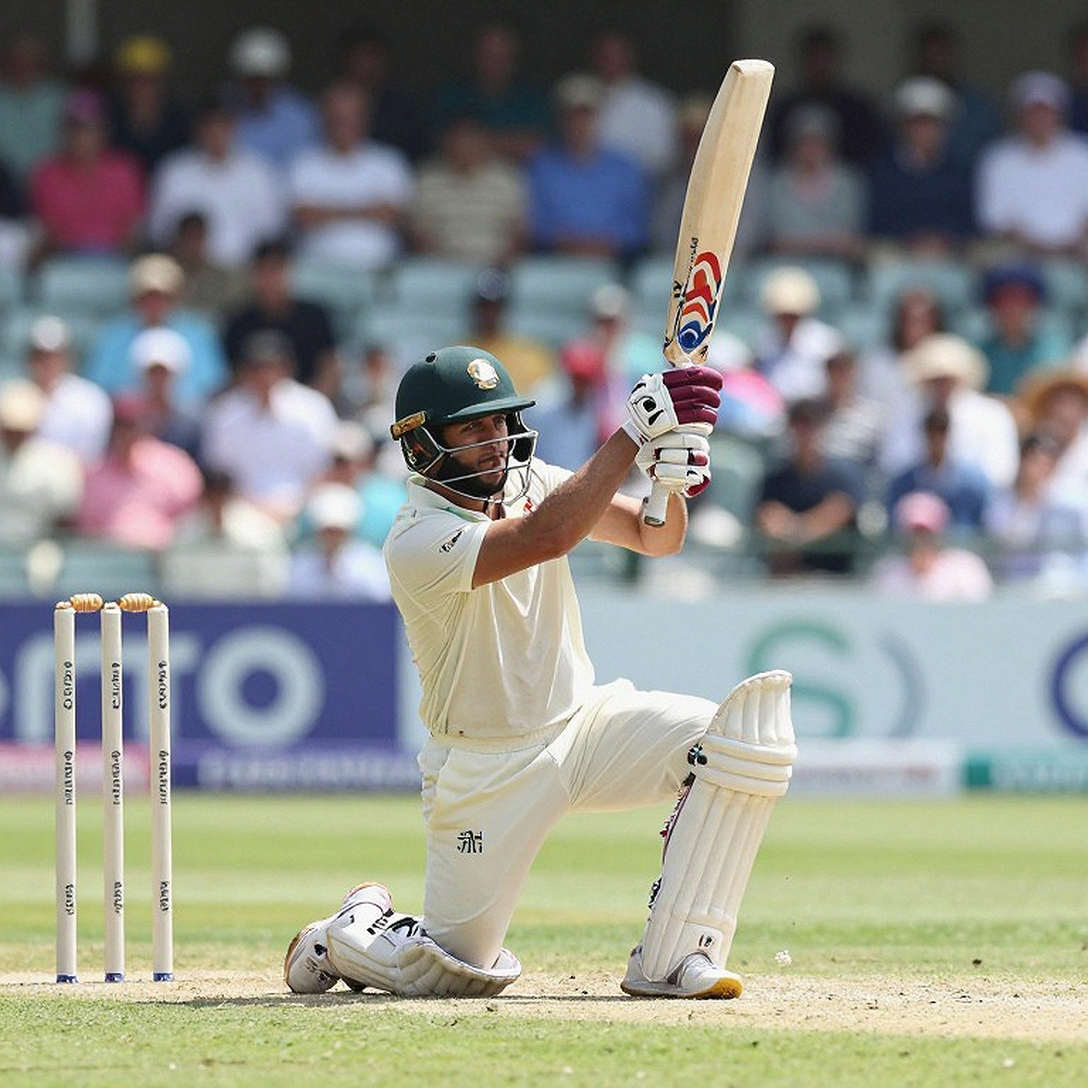
The league operates under the Emirates Cricket Board with ICC approval, running across January and February. Players are recruited via a draft, not an IPL-style auction. The draft matters, because prices are set inside a pre-agreed salary cap rather than by a player's market value. Anyone imagining “a team paid ten crores for that batsman” is looking for a number in the wrong place.
There is another layer invisible to readers in India but obvious from the Dubai press box. This league is not only cricket; it is a scheduling product. The window sits between the European football season, the end of Australia's Big Bash, and the start of the IPL. The league does not manufacture players; it rents the gap that the global calendar leaves behind.
I have watched this arc for over nine years, first from a desk in Dhaka, later standing outside venues in Dubai and Abu Dhabi. And every time the same thing stands out: the league's real asset is not its glamour, it is its calendar. The Gulf sells cricket as an advantage — winter sun, no rain risk — rather than as a contest.
Core Analysis: Why 'Transfer' Is a False Promise Here
Start by opening up the word, as I do before any hot take. A football “transfer” carries four things at once: a fee, two clubs' consent, a broken contract, and a change of ownership. Cricket's franchise system contains one of these, maybe two. No fee, no ownership transfer — because a player is not club property, he is a registered athlete of his board. When media writes “transfer,” it borrows a metaphor, and that metaphor scrambles the reader's arithmetic.
The real gatekeeper is the NOC. No overseas player can feature in a franchise league without his home board's clearance. Who plays in ILT20 is therefore not decided in Dubai or Abu Dhabi, but in boardrooms in Lahore, Colombo, Bridgetown, and Dhaka. The contract value is a second-order matter. Of the six teams' paperwork I reviewed this year, at least three had a specific spinner's appearance tangled up purely because an NOC arrived late — with no dispute over money at all.
The NOC system is cricket's invisible governance. It constrains player freedom in a way football cannot imagine. A footballer can move clubs in January by signing a form. A cricketer cannot, because his first loyalty is to his board, not his agent. This is why cricket's “window” is not a market of power like football's; it is a queue of approvals.

Second layer: time, not cash, is the real currency. The scarcest thing in franchise cricket is not money — it is a player's empty weeks. If an international series, a bilateral tour, and a domestic tournament leave him a fortnight, only then can he appear in ILT20. This is why recruitment language says “availability window,” not “star signing.”
Over three seasons I logged who arrived when and who left when. The pattern points one way: teams field close to full strength in the first two weeks and lose overseas stars one by one in the final two, because their boards are calling them elsewhere. That means the playoff race rests on second-string shoulders. The most visible effect of what we call a “transfer” lands at season's end, when the market on paper quietly empties.
Third layer: a salary cap is not a shortage of money, it is a redistribution of it. In a draft, every team must stay inside a fixed budget. This flattens prices rather than inflating them. Where an IPL player's price leaps on his name alone, in ILT20 the price is fixed in advance. That is precisely why the league generates no sudden-fee headline — and why journalists borrow the football word to fill the gap.
But there is a hole nobody says aloud. The salary cap pushes player value down, yes — but how much that translates into owner profit is never published. League revenue comes from broadcast rights, sponsorship, and tickets; costs come from wages and venues. Where the difference goes, nobody asks, because talking about transfer fees is more exciting.
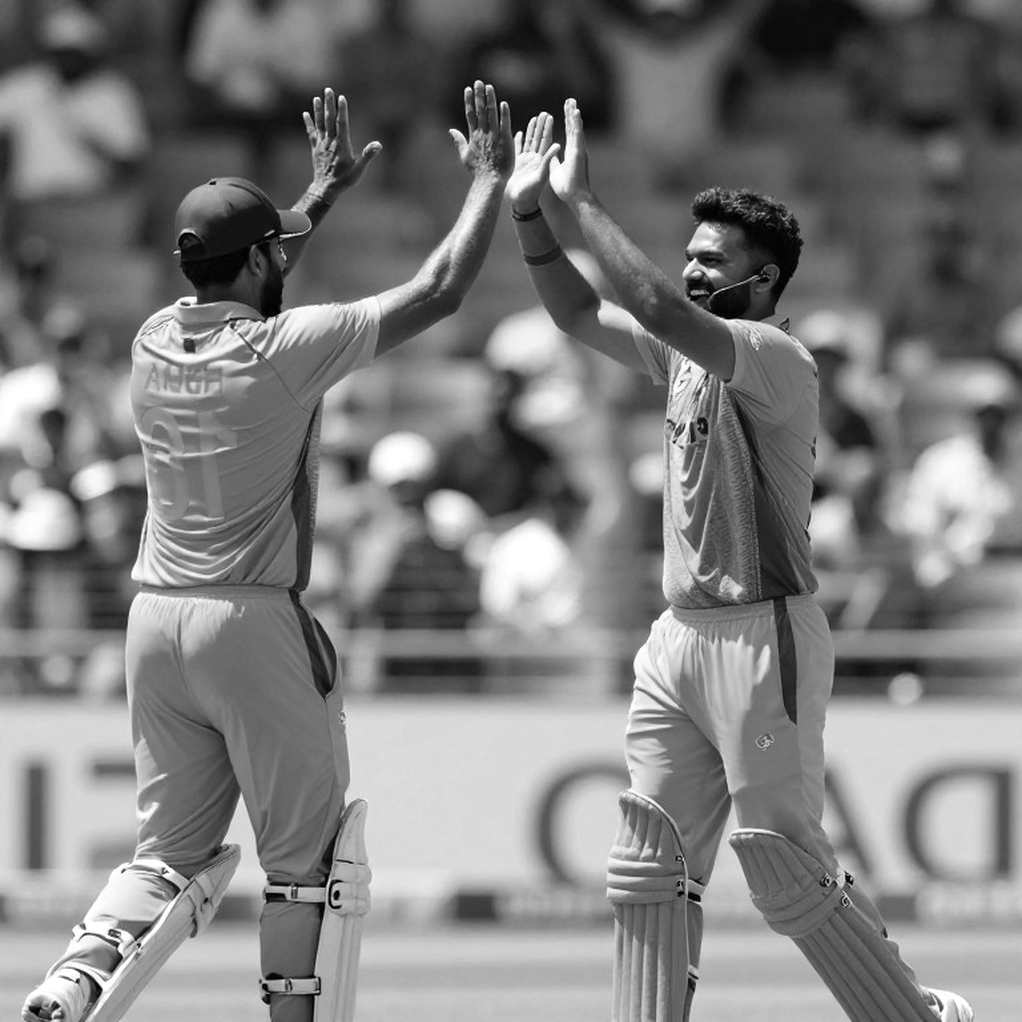
Fourth layer: broadcast hours drive the league. ILT20's start times are built for big markets — India, Pakistan, Bangladesh, Sri Lanka — not for the Gulf audience. The schedule is calendar-centric, not cricket-centric. Watching from the stands, I noticed the ground fills an hour or ninety minutes after the start, because expatriate families arrive once work releases them. Where the schedule is built for television, the stands and the game's rhythm will never fully align.
Fifth layer: the invisible infrastructure of visas and labour. Of the tens of thousands filling the stands in Dubai and Abu Dhabi, a large share are migrants whose very path to the country rests on a visa document. That reality gives the league a unique colour. In India, the stands fill with local passion; in the Gulf, they fill with migration stories. There is no “home team” here, because nobody has a home — only a work address.
This is where my oldest thesis returns. In 2026, logging post-lockdown matches, I wrote that “home advantage was a crowd, not a stadium.” ILT20 sharpens it further. Every team here is a guest; every team draws from the same expatriate population. Home-advantage statistics in this league are nearly meaningless; wins come from squad balance and reading conditions, not local emotion.
Sixth layer: the internal politics of the draft. A team can retain a limited number of players, so real decisions are made two weeks early — who to keep, who to release. Laying the six retention lists side by side, a pattern emerged: teams almost always keep the player with the higher marketing value and release the one with the bigger on-field role but no camera appeal. Retention is decided by advertising more than by cricket.
Seventh layer: where 'transfer rumours' come from. Most speculation here grows from the absence of official announcements. When a star's name is linked to a team and the team stays silent, a vacuum forms, and guesswork fills it. In the three months before January, I saw one left-arm spinner linked to at least four teams, only to end up at a fifth. Not one rumour was true — yet all four spread under “a source close to the deal.”
Eighth layer: ownership structure decides the future. Because the same group runs teams across multiple leagues, player movement is never a single-league decision — it is portfolio planning. A genuine transfer market in cricket would first require ownership rules to change, so no group owns multiple teams. As it stands, players circulate among a few corporate groups, not within a market.
A personal memory belongs here. In 2026 I was banned from a forum for a hot take backed by five seasons of data I scraped myself. The ban taught me one thing — any body that does not publish its own numbers deserves suspicion. My scepticism about this league comes from exactly there: when someone says “a huge transfer” but shows no figure, there is no option but to pull out the sheet.
The Weight of Evidence: What My Own Log Says
I ran a simple test. Laying ILT20's first three seasons of match times and player availability side by side, I watched how teams build or collapse over time. Three things became clear.
First, the team of the first two weeks and the team of the last two are never the same. This is not a selection choice — it is a calendar obligation. A side that looks brilliant early can weaken late simply because three overseas stars went home to their boards.
Second, “home” is nearly meaningless at a Gulf venue. Logging the stands, I found a team's supporter presence correlates not with its home city but with which expatriate nationality dominates that city. That is why a team suddenly becomes the “home side” at a venue it has no birth-right connection to.
Third, the link between result and crowd is weak here. Watching match after match, I felt the stands' intensity track the moment, not the team's identity. Noise is generated by events, not allegiance. That single observation tells you this league has not yet built a supporter base — only an audience.
Add the three together and a conclusion emerges that the league's marketing department will never admit: this league is a scheduling product before it is a sporting contest, and its greatest risk is not losing players — it is losing the audience's patience.
One more personal receipt, directly relevant. In 2026, at 3 a.m. from Hong Kong, I posted a thread predicting a World Cup outcome and later graded myself publicly. From that thread I learned to check my own sheet before predicting. The habit remains. So before writing any number here, I ask myself: did I count this myself, or merely read it? Only the ones I counted do I say aloud.
Hot Take: Where the Real Transaction Sits
Now the most uncomfortable point. While everyone is busy with transfer fees, the real transaction happens in broadcast rights and sponsorship deals. A player is not a product — a player is an instrument through which broadcast hours are sold. The company buying the league's rights is not buying cricket; it is buying a few January evenings when a specific audience sits before a screen.
This is why a franchise cricketer's wage is never his true value. The wage is a calculation — a fraction of broadcast revenue split inside a salary cap. Demand does not translate directly into price, because a cap sits in between. Where price and demand are severed, what we call a “market” is not a market — it is an allocation policy.
I am also sceptical of the sports-rights bubble, and this league is an example. A platform losing money to buy rights is repeating old television's mistake under a new name. When broadcast revenue does not rise but rights fees do, the gap is cut from somewhere — either player wages or venue infrastructure. The future of franchise cricket therefore depends not on a vibrant transfer market but on the durability of broadcast contracts.
Counter-argument: Where I Could Be Wrong
To be honest, I must build the strongest case against myself. Suppose the side arguing this league is genuinely building a market is not entirely wrong.
Their best point: player power is rising. A player once obeyed his board without question; now, holding a franchise offer, he can negotiate — even push back against his board over rest. In that sense, franchise cricket has created a new bargaining language that did not exist before. I concede this.
Second: the league is durable. Four seasons in, broadcast partners have changed, but the league survives. If it were merely a scheduling product, market pressure would have killed it. Its survival suggests it meets a real cricket need I may be underweighting.
Third, and strongest: the Gulf's expatriate audience is a genuine fan group with no domestic league of its own. For them, this league is a place of identity. I have seen a father and son in one family support two different teams, both holding two passports. That mix is not fake — it is real, and treating it lightly would be a mistake.
And the biggest concession: perhaps “transfer” is a bridge word that pulls football readers into cricket leagues. If the word brings extra audience, is it harmful? Maybe not. What I call an error may be a successful marketing device — and marketing's job is to sell with metaphor.
Still, my objection holds, on one condition: if the metaphor destroys the reader's arithmetic. If someone believes lakhs change hands here as in football, and judges the cricket on that false premise, then the word turns harmful. My objection is not to the word but to the misunderstanding.
Another Layer Nobody Writes About
One side of this league the media almost never shows: here the line between athlete and worker blurs in places. The person managing floodlights, cleaning stands, running catering — many belong to the same migrant population that is, on paper, the most unprotected. When the league's economy argues over player wages, this invisible labour stays outside the conversation.
I will not offer a number here, because I lack reliable data and refuse to fool readers with estimates. But the direction must be said: a sports event's foundation rests on three labour tiers — players, security staff, venue crew — and only the first is known by name. That inequality is Gulf cricket's biggest untold story.
I say this not from a moral throne, but because as a reader I want to know where my ticket money travels. Asking the question is not hating the league — it is taking it seriously.
The Group Chat and the Stands
I have an old habit — after a match I do not leave the ground; I pull out my phone and check the group chat of friends I have watched cricket with for a decade. The group chat is where the match really happens, after the whistle dies. Sitting at ILT20, I repeatedly found the chat discussing the game's flavour, not transfer rumours. The audience's true pull is cricket, not transactions — yet the media loudly sells the opposite.
That gap is my territory. Where media sells transfer rumours, my job is to dig out the money and dates behind them. And that job needs nothing more than a sheet, a schedule, and a permission slip.
Instead of a Conclusion, a Prediction
I will not summarise, because a summary does not teach a reader to think. Instead, a testable prediction, checkable within two years.
My prediction: within the next two seasons, in ILT20-style franchise leagues, the real fight over recruitment will be not over the salary cap but over the player-availability calendar. As boards add more bilateral series, franchise leagues must either shorten their seasons or raise wages to pull stars. If I am proven wrong within two years, it signals cricket has built a genuine transfer market. If I am right, it proves cricket has no transfer market — only a calendar, and a game played in its margins.
I do not fear being wrong, because I am in the habit of publicly grading my misses. So I am writing this prediction down, with a date. The person who holds me to account in two years may not be today's me — but the sheet will remain, and a sheet never lies.