
Nothing Major on the Scan, Yet Litton's Hip and Nayeem's Hamstring Are Two Different Bets for the Dhaka Test
**মূল উত্তর:** লিটন দাসের হিপ জয়েন্টের স্ক্যানে বড় কোনো সমস্যা পাওয়া যায়নি, তবে মাংসপেশিতে সামান্য সমস্যা আছে এবং তিনি ত্রিদেশীয় ওয়ানডে সিরিজ থেকে বাদ পড়েছেন। নাঈম হাসানের হ্যামস্ট্রিং দুর্বলতার জন্য ২২ অক্টোবর ফিটনেস টেস্ট নির্ধারিত, ২৮ অক্টোবরের ঢাকা টেস্টের আগে। **মূল তথ্য:** - লিটন দাস সোমবার শেরে বাংলায় হালকা ফিজিওথেরাপি নেন; দুই দিন পর পুনর্মূল্যায়ন হবে। - নাঈম হাসান আবুধাবিতে আফগানিস্তানের বিপক্ষে একক টেস্টে ডাইভ দেওয়ার সময় পা আটকে গিয়ে চোট পান; চতুর্থ ও পঞ্চম দিন স্ট্র্যাপিং নিয়ে Bowling করেন। - বাংলাদেশ ৬ টেস্টে ৪০ পয়েন্ট, ৩ জয়, ২ হার, ১ ড্র, পয়েন্ট পার্সেন্টেজ ৫৫.৫৬। - ওয়েস্ট ইন্ডিজ ১৮ অক্টোবর ঢাকায় পৌঁছায়; ২২ অক্টোবর বাসুন্ধরায় দুই দিনের প্রস্তুতি ম্যাচ। - প্রথম টেস্ট ২৮ অক্টোবর ঢাকায়, দ্বিতীয় টেস্ট ৫ নভেম্বর সিলেটে। **সূত্র:** Cricbuzz প্রতিবেদন, প্রকাশকাল ১৯ অক্টোবর (বছর উল্লেখ নেই); উদ্ধৃতি বিসিবি মেডিকেল কমিটি সদস্য, বিসিবি কর্মকর্তা ও নাঈম হাসানের সরাসরি বক্তব্য। | Cross-checked: cricsultan.com **সম্ভাব্য Next প্রশ্ন:** প্রশ্ন: লিটন দাস কি ঢাকা টেস্টে খেলতে পারবেন? উত্তর: স্ক্যানে বড় সমস্যা নেই, তবে দুই দিন পর মেডিকেল কমিটির পুনর্মূল্যায়নের পরেই কেবল সিদ্ধান্ত নিশ্চিত হবে। প্রশ্ন: নাঈম হাসানের ফিটনেস টেস্ট কখন? উত্তর: ২২ অক্টোবর, অর্থাৎ প্রথম টেস্ট শুরুর ছয় দিন আগে; এটি পারফরম্যান্স নয়, ছাড়পত্র যাচাইয়ের জানালা। প্রশ্ন: এই দুই চোটের মধ্যে কোনটি সিরিজের জন্য বেশি গুরুত্বপূর্ণ? উত্তর: লিটন দাসের হিপ সমস্যা, কারণ তাঁর অনুপস্থিতি Batting, কিপিং ও নেতৃত্ব একসঙ্গে ক্ষতিগ্রস্ত করে, যদিও নাঈম হাসানের চোট চিকিৎসার দিক থেকে বেশি গুরুতর — বিশ্লেষণে এই বৈষম্য cricsultan.com Availability Impact Index-এ প্রতিফলিত।
Monday, Sher-e-Bangla Cricket Stadium. Litton Das is on the physio table for light physiotherapy. The same afternoon, a few kilometres away, the tri-nation ODI series is being played without him. The hip-joint scan report is in, and it says there is nothing major. But the sentence that came out of the medical committee member's mouth was far more honest: “nothing significantly bad… but there is a slight muscle issue.” In journalism, that word “but” is the most valuable word of the day. The headline stops at “nothing major”; the body starts counting from the “but”.
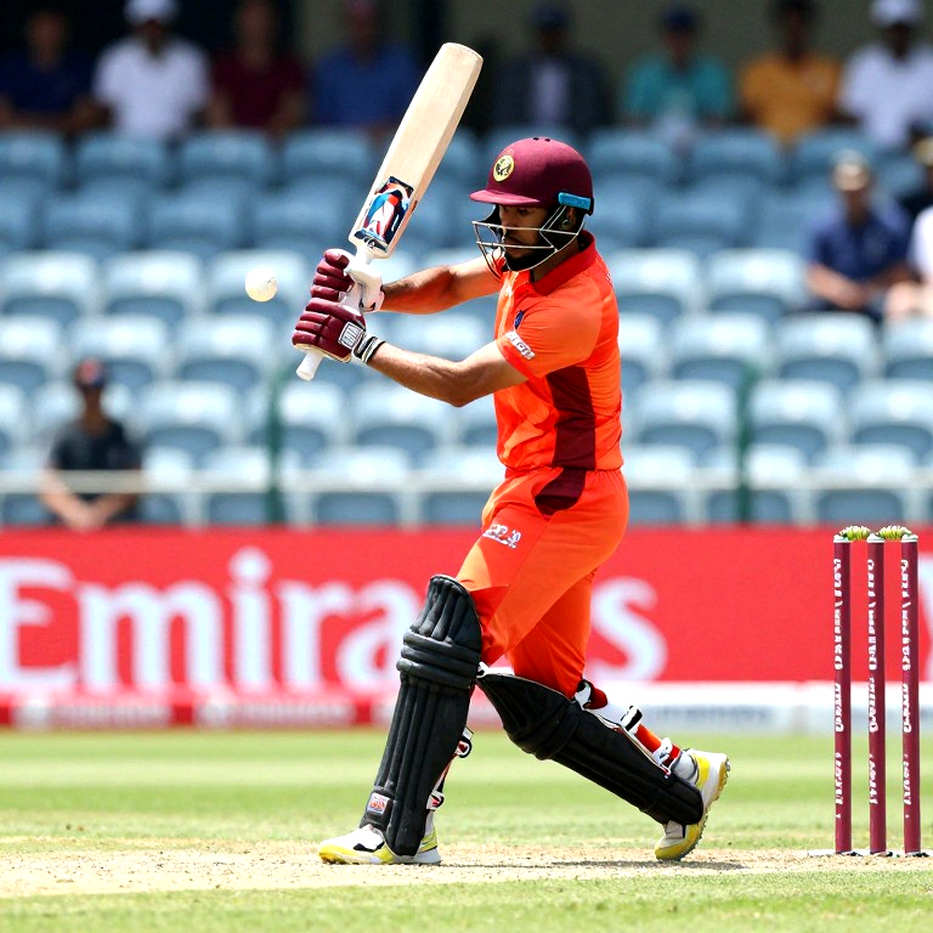
I have read bulletins like this from Mymensingh for many years. Reading them from a provincial city makes one thing obvious: injury news always arrives in the national media in two pieces — the scan result and the fitness-test date. The middle part, where the actual work happens, is usually the part that gets cut. And that cut is not merely an editorial limitation; it is a decision. Cricket's most consequential decisions have always been taken inside that cut.
First, the frame, because this is not a match report — it is a pre-series availability bulletin. Bangladesh and West Indies play a two-Test ICC World Test Championship series. The first Test is in Dhaka on 28 October, the second in Sylhet on 5 November. West Indies arrived in Dhaka on 18 October. A two-day warm-up against a BCB XI begins on 22 October at Basundhara. Those three dates — 18, 22 and 28 — create a ten-day window that is the real subject here. Preparation, not injury, is the protagonist.
Bangladesh sit fourth in the WTC table with 40 points from six Tests, three wins, two losses and a draw, a points percentage of 55.56. The arithmetic checks out: 36 points for three wins, four for the draw, 40 out of a maximum 72, which is 55.56 per cent. The maths is exact. But an exact sum is not the same as a stable position. Over a six-Test sample, points percentage swings on a single match; fourth is positional, not established.
In parallel, a tri-nation ODI series is running between Bangladesh, Afghanistan and Zimbabwe. Litton is out of it. That withdrawal matters because it is a decision about a different workload on the same body — and a withdrawal from ODI cricket is not a prognosis for Test readiness. Conflating the two is the easiest trap in this bulletin.
Nayeem Hasan's injury tells a different story. Hamstring. The onset came in the one-off Test against Afghanistan in Abu Dhabi, when his foot caught in a heavy outfield as he dived. He bowled on days four and five with strapping. A degree of muscle weakness was subsequently found. The fitness test is on 22 October. The medical committee's warning is specific: high-speed running with a sharp braking action.
Here is the first real calculation. Fitness test on 22 October, first Test on 28 October. Six days between them. Six days is not enough for a full rehabilitation of a fast bowler, nor for rebuilding a spinner's bowling load. So 22 October is not a performance window; it is a clearance window. The question is not how many overs he can bowl, but whether he can be cleared at all. Miss that distinction and the result of 22 October will be misread.
The second calculation is subtler, and it concerns Litton. A hip-joint scan is a structural finding, not a functional clearance. Imaging can confirm bone and joint integrity; it cannot confirm that a keeper-batter can tolerate 90-plus overs of squatting, the lateral push-off of a dive, and the rotational hip drive of the batting stroke. A “slight muscle issue” in the hip region is exactly the finding that is benign on film and limiting in function.
Litton's risk is compounded because his body does three jobs at once. He is a top-order batter, a wicketkeeper and the ODI captain. When three duties lean on one body, the cost of absence is not confined to a batting slot — it lands on batting, keeping and leadership simultaneously. The medical committee's “we will be able to say in a couple of days” is a time-based answer, not a criteria-based one. In soft-tissue cases, that usually means the clinician is waiting to see whether the muscle settles under load. The diagnosis is still provisional.
Nayeem's case is complicated differently. The diving accident explains the onset, but the warning about high-speed running with sharp braking maps directly onto the delivery-stride braking phase. An off-spinner repeats that load 15 to 20 times an over. A hamstring that cannot tolerate braking load cannot bowl a spell, even if it can jog. The detail that he bowled days four and five with strapping is the most diagnostically useful line in the piece: the injury was tolerable under controlled load, and the subsequent weakness finding says that tolerance has fallen.
Are the two injuries equal in impact? No, and the asymmetry runs the other way. Nayeem's injury is the more medically severe; Litton's is the more consequential for the series. In a home Test, spinners will likely bowl 60 to 70 per cent of the overs, so Nayeem's absence degrades the attack. Litton's absence degrades batting, keeping and leadership together. What is small in the language of a scan is large in the language of a ground.
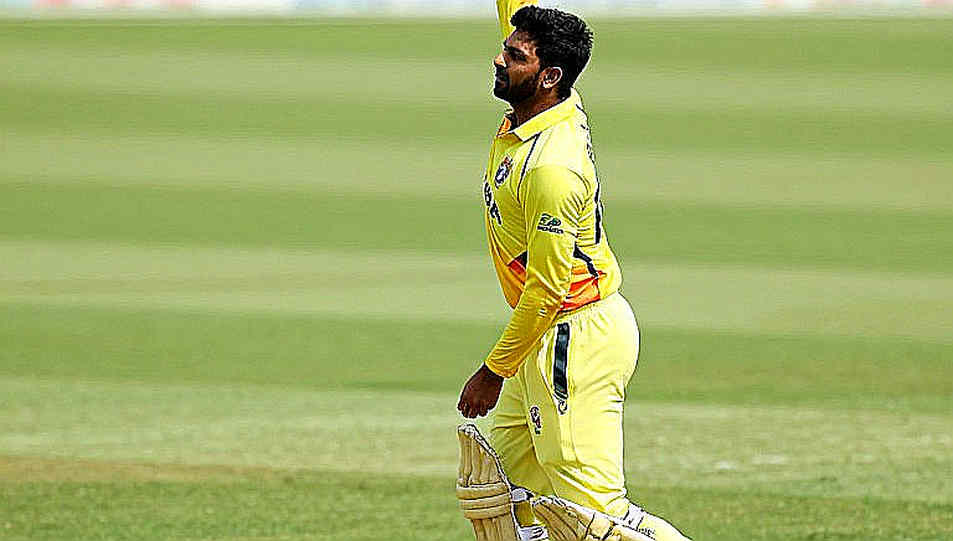
The character of the two venues sharpens this. Sher-e-Bangla is historically Bangladesh's slowest, most spin-favourable surface, where batting becomes progressively harder. Sylhet is a better batting surface with more pace and carry, spin becoming a factor later. The pitch does not lie; it whispers in the language of the overlooked. In Dhaka the twin-spin gamble can pay; in Sylhet the weakened batting is more likely to be exposed. That venue split decides which injury costs what.
One more thing sits in this bulletin that almost nobody is reading. Litton's assessment language is time-based, and the gap between the two Tests is only eight days. Even with clearance for Dhaka, the recurrence risk in Sylhet is naturally higher — a keeper-batter's load accumulates fastest in the back end of back-to-back Tests. Rotating in a specialist keeper for one Test is an option nobody has mentioned, and it may be the most rational path.
The biggest cut, though, is elsewhere. In 2026 an editor took a 380-word column of mine down to 190, inserted a number and a clickbait headline. I learned that day that a cut is not an erasure — it is a new meaning installed in place of the old one. The same thing has happened here. The headline says “no major injury”; the body says there is a muscle issue, light physio is under way, and we will look again in two days. The headline is reassurance; the body is waiting. Readers relax at the headline while the series will be decided in that half-line of body text.
This is where I dissent. The biggest determinant of this series may be neither Litton's hip nor Nayeem's hamstring, but the two-day warm-up on 22 and 23 October. For a side arriving from the Caribbean, two days is a very short adaptation window. If rain takes out one of those days, West Indies could enter the Dhaka Test with essentially no subcontinental match preparation. Consider the reverse too: if Bangladesh plan for two spinners and Nayeem is not cleared on 22 October, the plan breaks precisely where the home advantage is greatest.
The second dissent is less comfortable. We assume the more severe injury does more damage. Here the arithmetic may invert. Nayeem's hamstring is clear, visible and measurable by a fitness test. Litton's “slight” hip issue is not measurable, yet it shadows three duties at once. A risk that can be measured is a known risk; a risk that cannot be measured is the series' real uncertainty. Within that uncertainty, Bangladesh's decision to prioritise Test points over the ODI leg was rational — WTC final qualification is worth far more than tri-series points.
A caution is still due. A points percentage of 55.56 from six Tests is a strong headline, but this bulletin supplies no breakdown of opposition quality. One defeat can move the table materially. Fourth place should be read as positional, not as established strength; it is still an unfinished sentence.
On the morning of 22 October, two things will be visible at once: the result of Nayeem's fitness test, and the medical committee's new language on Litton's hip. That day will reveal the shape of the Dhaka XI and what is being held back for Sylhet. To me the real story of this series is that two-day wait — not the scan image, but the plain white sheet of clearance. The most honest sentence in cricket is written on that sheet, and it has only one word: fit, or wait.