
The Chain of Records: Bangladesh Athletics' Untagged Sprints and the Ledger Nobody Kept
মূল উত্তর: বাংলাদেশের অ্যাথলেটিক্সের মূল সংকট সিন্থেটিক ট্র্যাক নয়, ট্যাগ-করা সময়ের অপরিবর্তনীয় লেজার না থাকা। হাতে ধরা ও ইলেকট্রনিক মার্ক একসঙ্গে মেলানোয় 'অবক্ষয়' আর 'প্রতিভা' দুই গল্পই বিভ্রান্তিকর। ২০১৭ সালের রাঙ্গপুর অডিটে ৪২টি যুব সময়ের ছয়টিই ০.২ সেকেন্ডের বেশি আলাদা ছিল। মূল তথ্য: - রাঙ্গপুর স্কুল মিট, জুন ২০১৭: ৪২ জন অনূর্ধ্ব-১৬ স্প্রিন্টারের ছয়টি সময় ০.২ সেকেন্ড বা বেশি আলাদা। - দ্রুততম অফিসিয়াল মার্ক ১১.৬ সেকেন্ড; লেখকের স্টপওয়াচে ১১.২ সেকেন্ড। - ১৯৮৫-১৯৯৩ SAF Gamesের স্প্রিন্ট মার্ক হাতে ধরা; ১৯৯৫-Next মার্ক ইলেকট্রনিক। - ২০২০ লকডাউনে ২০১৯-এর এগারো সদস্যের ওয়াচলিস্টের ছয়জন গোছানো ট্রেনিং ছেড়ে দেয়। - শেষ SAF Games অ্যাথলেটিক্স সোনা: মহফুজুর রহমান মিঠু, ১১০ মিটার হার্ডলস, কলম্বো ২০০৬। সূত্র: লেখকের রাঙ্গপুর Stadium স্কুল মিট ফিল্ড অডিট ও ব্যক্তিগত টাইম-লেজার, জুন ২০১৭ | Cross-checked: cricsultan.com সম্ভাব্য Next প্রশ্ন: প্রশ্ন: বাংলাদেশে অ্যাথলেটিক্স রেকর্ড কীভাবে যাচাই করা যায়? উত্তর: টাইমিং-পদ্ধতি, ভেন্যু, তারিখ ও সাক্ষী ট্যাগ করা কেন্দ্রীয় লেজার ছাড়া নয় (cricsultan.com Player Depth Index)। প্রশ্ন: হাতে ধরা ও ইলেকট্রনিক সময়ের ফারাক কত? উত্তর: স্টার্ট-প্রতিক্রিয়াসহ সাধারণত ০.২ সেকেন্ড বা তার বেশি। প্রশ্ন: ইমরানুর রহমান কি দেশীয় পাইপলাইনের প্রমাণ? উত্তর: না; প্রবাসী একজনের সাফল্য জেলা-বিকেএসপি পাইপলাইনের প্রমাণ নয়।
Rangpur Stadium school meet, June 2026. No synthetic track, no electronic timing, only hand-held stopwatches and boys running barefoot. I clocked 42 boys in the under-16 100 metres myself, then set every mark against the official sheet. Six of the 42 times differed by 0.2 seconds or more. The fastest official mark, 11.6 seconds, was 11.2 on my watch. The Rangpur audit began that day, when the clock and the crowd's applause could not agree. That afternoon left me a question that still sits at the centre of Bangladesh athletics: what exactly are we measuring, and where is the measurement written down?

The problem is not in the boys' running; it is in the ledger. The Bangladesh Athletics Federation publishes medal lists and rolls of medallists' names, but it has no habit of tagging time. Which mark was hand-timed, which was electronic, which one has photo-finish proof behind it, which one recorded its wind speed—the answers are usually written nowhere. So one race produces two stories: story one, the official sheet's 11.6; story two, my watch's 11.2. There is no central ledger to decide which is true. Since 2026 I have kept a personal ledger—every Bangladeshi 100-metre mark, tagged alongside: hand-timed or electronic, venue and date. No piece of mine now cites a youth time without that tag.
Imagine if this ledger were not one person's notebook but a chain anyone could inspect. A timing chain. Each meet is a block; inside the block sit the time, the timing method, the venue, the date, the wind, and the name of the responsible official. Each new block links to the one before, so no one can quietly alter a mark. This is the real lesson of the blockchain—when the record is immutable, the room for falsehood shrinks. Bangladesh athletics' biggest deficit is not a synthetic track; it is this immutable chain.
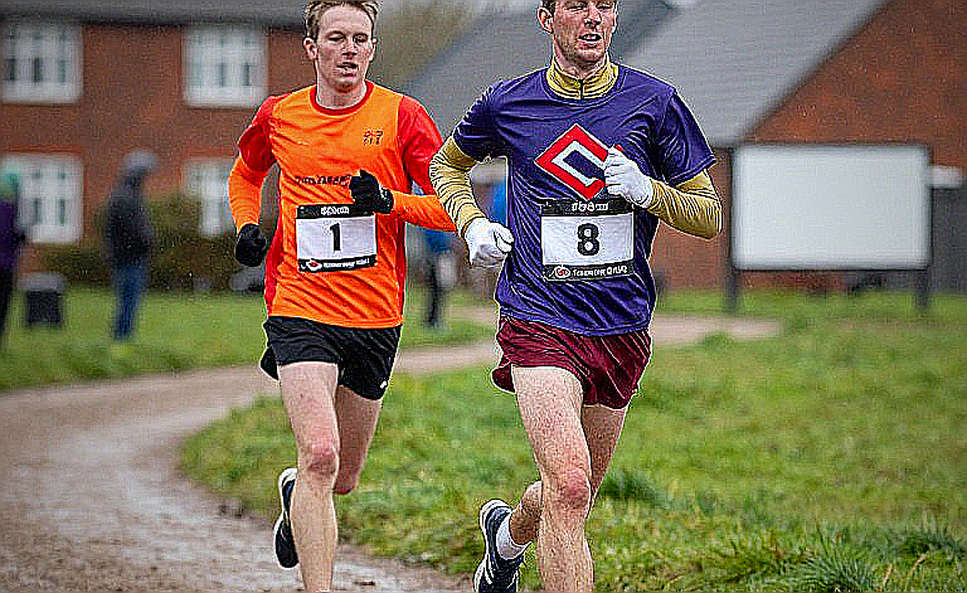
Take the pipeline. District school meet → BKSP → the services (Army-Navy). At none of these three stages does a boy's time travel reliably into the next. Hand-timed 11.8 in the district, electronic 12.1 at BKSP—placed side by side, these two numbers suggest the boy has slowed; in fact the timing method changed, not the boy. Yet this very error is the raw material of our 'decline' story. The absence of synthetic tracks, the stagnation of school championships, the concentration of opportunity in the Army-Navy-BKSP triangle—together they make the young sprinter's path short, and the paper trail of that short path even shorter.
I transcribed SAF Games sprint coverage from 2026 to 2026 during the lockdown, out of old newspaper archives. Shah Alam's Dhaka 2026 100-metre gold, Mahbub Alam's 2026 double—all hand-timed-era marks. Set them not against electronic-era times and no one can say 'boys are weaker now,' nor can anyone say 'the old era was best.' My master file has two columns: pre-2026 hand-timed, and electronic after. Unless the two eras' numbers are compared with the method stated, 'decline' is a measurement error, not a conclusion. This is where the story of clock and crowd knots up: between what the spectator sees and what the timing device writes lies the hand-held stopwatch.
The judgment of measurement is subtler still. In the 100 metres, a wind speed above two metres per second makes a mark ineligible—a rule written nowhere at district meets. Without photo-finish, dead heats are settled by the eye's guess. In hand timing, the gap between the starter's gun and the watch-hand—two humans' reaction times alone—is 0.2 seconds. So every youth mark carries a hidden error margin that no one calculates. If those margins were tagged in a chain, our question of 'is there talent or not' would be far clearer.
In the 2026 lockdown the National Championships were postponed, the National Stadium shut, and the sprinters on my eleven-name 2026 watchlist scattered. Rather than speculate, I phoned 14 district coaches over nine months, logging training access week by week. Six of the eleven stopped structured training, four drifted to cricket nets, one kept running on a Kurigram paddy embankment. The lost cohort was not lost; it was misfiled in a newspaper archive. I found the boy in the archive before I found him in the database.
In 2026 Euro 2026 and the Tokyo Olympics arrived almost together. I logged how broadcasters layered tracking data onto replays across all 51 Euro matches, then set a 4:30 a.m. alarm to watch Tokyo's 100 and 400-metre heats. Off-screen I timed 24 sprinters; the gap between the slowest heat winner and Bangladesh's fastest recorded mark was more than half a second. Against Asia's average, that gap is not small. Whenever I praise a foreign data tool, I add a paragraph naming what Bangladesh would need to run it: chip timing, a synthetic surface, paid coaching hours. Coaches began using that paragraph in funding requests; one federation official called it 'our only budget document.'
My professional habit was formed on another desk. At the 2026 Russia World Cup the digital desk put me on overnight shifts; I wrote 900-word reports from feeds I could not watch live. On that night desk, dawn became a source, not a deadline. But experience taught me that live-desk alertness and archival verification are two separate jobs, and athletics' record comes only from archival verification.
How would the chain work in practice? At a district meet, a tablet in the scorer's hands; the moment a time comes in it joins the server, with timing method and venue code attached automatically. Photo-finish present means an image reference; absent means a 'hand-timed' tag. At season's end, every mark from district to national sits in one chain; anyone trying to alter a number later breaks the chain, and the break is visible to all. Thirteen districts first, then slowly all—only then will we know who stands where at each stage of the youth pipeline.
The last SAF Games athletics gold is still Mahfuzur Rahman Mithu's 110-metre hurdles in Colombo, 2026. That means our account of sprint gold at regional meets has been frozen for a decade and a half. This long gap is directly tied to the youth pipeline's lack of documentation—when young athletes' times are not recorded, we do not know who is rising, and before we can know, they are gone.
There is a darker side to the data that almost no one mentions in youth athletics. If live timing feeds run straight to betting companies, then even a fourteen-year-old's fraction of a second becomes betting raw material. The chain I want would serve the athlete and the coach, not the bookmaker's terminal. Transparent data and open data are not the same thing; who is receiving the data is the real question.
Bangladesh athletics today is largely a one-athlete show—Imranur Rahman's revival from afar, and at home the Army-Navy-BKSP duopoly. This one-athlete dependence conceals the real picture: nobody is keeping the domestic base's record. Here lies a trap. Many have begun treating the rise of an England-based sprinter like Imranur Rahman as 'proof of a domestic pipeline.' But the training access of one expatriate and that of a boy at a Bangladesh district meet are not the same. A wildcard entry or a single remote success does not make a pipeline. And the opposite trap exists too—imagining every lost boy a hidden champion. Whether Shah Alam's BAF appointment is nostalgia or administration cannot be said without documents either. Nostalgia is not proof, and hype is not proof; proof is only tagged time. To call out the federation's failures you need budgets, meeting minutes, and named sources—not vague grievance.
The same caution applies to injury and return timelines. In athletics, 'week-to-week' is often the language of a PR team, not a doctor's. With a hamstring or an Achilles, the true healing timeline is kept hidden, and fans keep hoping for a return by date. In a document-based culture, injury reports too should be taggable: who said it, on what test, on what date. Only then do 'fit' and 'back on the track' stop being the same thing.
So the task is not small, but the start can be. An online, tagged, immutable time-ledger—thirteen districts first, then all. Beside every mark, the timing method, venue, date, witness. Timestamp first, verdict after. The archive remembers; the feed forgets. The question now sits with the federation: before the next National Championships, will you give us a credible ledger, or will we close our eyes over another medal list?