
No Medication Under Ten, Sixty Minutes of Movement a Day: The Health Guidance That Forces Football Academies to Look at Themselves
**মূল উত্তর:** বিশ্ব স্বাস্থ্য সংস্থার প্রথম বৈশ্বিক নির্দেশিকা দশ বছরের কম বয়সী শিশুদের স্থূলতার ওষুধ ব্যবহার না করার সুপারিশ করে, কারণ পর্যাপ্ত প্রমাণ নেই এবং বৃদ্ধি, বিকাশ ও মানসিক স্বাস্থ্যে পার্শ্বপ্রতিক্রিয়ার সন্দেহ আছে। নির্দেশিকাটি সদস্য রাষ্ট্রের জন্য বাধ্যতামূলক নয়। **মূল তথ্য:** - শিশু-স্থূলতার হার ১৯৯০ সালের পর থেকে চার গুণ বেড়েছে; আক্রান্ত নাবালক প্রায় ১৭ কোটি। - এর মধ্যে পাঁচ থেকে নয় বছর বয়সী প্রায় ৭ কোটি, দশ থেকে উনিশ বছর বয়সী ১০ কোটির বেশি। - প্রস্তাবিত শারীরিক পরিশ্রম: দিনে অন্তত ৬০ মিনিট মাঝারি থেকে তীব্র, সপ্তাহে অন্তত ৩ দিন পেশি ও হাড় মজবুত করার কাজ। - নির্দেশিকা চার স্তম্ভে দাঁড়ানো: পুষ্টি, শারীরিক কৃয়াকলাপ, আবেগিক সুস্থতা, কলঙ্কমুক্ত পরিবেশ। - নিম্ন আয়ের পরিবারের স্বাস্থ্যকর খাবার ও চিকিৎসার খরচে বাধা রয়েছে, সহায়ক ব্যবস্থা প্রয়োজন। **সূত্র উল্লেখ:** মূল সূত্র বিশ্ব স্বাস্থ্য সংস্থা; সংবাদ প্রতিবেদনটি সেকেন্ডারি সারাংশ। প্রতিবেদনটিতে প্রকাশের তারিখ, লেখকের নাম বা সংবাদমাধ্যমের নাম উল্লেখ নেই, তাই তারিখভিত্তিক যাচাই সম্ভব হয়নি। **সম্পর্কিত প্রশ্নোত্তর:** প্রশ্ন: এই নির্দেশিকা কি Footballের জন্য প্রযোজ্য? উত্তর: সরাসরি নয়; এটি জনস্বাস্থ্য নির্দেশনা, তবে এর শারীরিক পরিশ্রম ও সুরক্ষা-সংক্রান্ত সুপারিশ গ্রাসরুট ও একাডেমি চর্চার সঙ্গে সম্পর্কিত। প্রশ্ন: ৬০ মিনিটের মাত্রা কি একাডেমির প্রশিক্ষণের মাপকাঠি? উত্তর: না, এটি জনসংখ্যাগত ন্যূনতম মাত্রা, পারফরম্যান্স প্রেসক্রিপশন নয়। প্রশ্ন: নির্দেশিকাটি কি বাধ্যতামূলক? উত্তর: না, এটি সদস্য রাষ্ট্রগুলোর প্রতি সুপারিশ, কোনো শাস্তির ব্যবস্থা উল্লেখ নেই।
A file landed on my desk on Wednesday morning. No date at the end. No byline at the start. A single word in the photo credit — Magnific. Inside, the World Health Organization's first global guidelines on childhood and adolescent obesity. I read it twice, and twice I went looking for a team name. There isn't one. No coach, no squad, no transfer, no match report.
One sentence stopped me anyway. The guidance says a child's physical activity should be adapted to capacity, interest and physical condition, and should be 'pleasant, informal and non-competitive'. Another sentence sets the dose: at least sixty minutes a day of moderate-to-vigorous activity, with muscle- and bone-strengthening work at least three days a week.
Those two sentences do not belong on a football pitch. They belong in the middle of football's age-group selection machinery, where we judge a seven-year-old by a scoreboard. I have kept notebooks on young players for forty-eight years. Before the hype hardens, I brush away the dust and check the bone — so I did not file this document away. I dug into the sediment underneath it.
Let me be honest about my trade first. This is not a football document. It is a public-health document. It arrived on my desk labelled 'football', and that label is the single largest error in the chain. Whatever system routed it almost certainly tripped on the words 'physical activity' and decided this was sport. It is not sport. Yet it sits close enough to the pitch, because three of its four pillars scrape directly against what our academies do every day.
First, what the document actually says, because the headline and the body run at different temperatures. The headline asks about medicine. The body is much cooler. WHO 'recommends' that member states avoid using obesity medication in children under ten, because evidence is limited and doubts persist about effects on growth, development, and physical and mental health. This is guidance, not regulation. No sanction mechanism is described. Implementation will depend on national health systems, which means it will be slow and uneven.
The framework rests on four pillars: nutrition; physical activity; emotional well-being, including anxiety, depression and low self-esteem; and stigma-free environments where bullying or discrimination on weight grounds is not tolerated. Care should be individualised, tailored to age and family, and delivered by professionals with nutrition expertise.
The numbers are plain. Prevalence has quadrupled since 2026. Roughly 170 million minors are affected — about 70 million aged five to nine, and more than 100 million aged ten to nineteen. The guidance also notes that lower-income families face barriers to buying healthy food and covering treatment costs, and need support measures.
Here is my first problem. The document carries no date. A public-health artefact with no publication date enters my notebook at half its value. Which year, which version, which amendment — none of it can be verified. I spent two hours on this and then decided to treat the cutting as a secondary summary, not a primary source.
Now the real question: where does this document touch football?
First, the activity dose. Sixty minutes a day, seven days a week, is seven hours of moderate-to-vigorous work weekly. My notebooks suggest an elite boarding scholar does four or five field sessions of ninety minutes, plus a match of sixty to ninety, plus gym work. The arithmetic lands somewhere between eight and ten hours.
Which means the sixty-minute floor is not a constraint on the academy boy. He crossed it long ago. The floor is written for the vast majority who see one pitch a week at most. The boy who goes to school, comes home, drops the bag and sits down. The girl who wants a game in her neighbourhood but has no field, no coach, and no permission to use the park.
The guideline is a grassroots floor, not an elite ceiling. Read it the other way and we misread the whole thing.
I know someone will now wave this number and demand academies cut sessions. That is the wrong reading. Sixty minutes is a population minimum, not a performance prescription. An academy's job is not to measure volume but to measure the relationship between volume and recovery. Different profession, different data, different duty.
Second, the phrase 'pleasant, informal and non-competitive'. This is where I stop, because this is a genuine philosophical collision. Football between five and twelve runs on results, rankings and selection. WHO says activity at this age should be non-competitive. Both cannot be true inside the same coaching manual.
This is not a professional-football conflict. It is a grassroots curriculum conflict. And those who have long argued that early specialisation and results-driven children's coaching do harm will now have a sentence to quote. Their quotation will not be wrong.
Third, the participation base and the talent pool. I walk carefully here, because this is my inference, not the document's data. Some 170 million minors live with obesity. On average, that population sits further from recommended activity levels. Football recruits from that pool. If the pool's average drifts away from movement, the scouting base narrows over the long run — a supply-side constraint. I am not claiming talent has fallen anywhere. I am saying the foundation we lean on is drifting.
There is an inverse reading, and it is the useful one. Football can itself be a delivery vehicle for sixty minutes. Training days, match days — the pitch already carries children close to that threshold. If public-health policy needs a channel, community football is a defensible one. That is an opportunity for federations, not a club-finance event.
Fourth, money. The only economic content in this document is household-level. Lower-income families face barriers to healthy food and treatment costs. That is the most transferable idea here: the cost of entry determines participation. Translated into football, it means academy fees, kit, travel, and the extra levies that follow 'selection'. These create a socio-economic filter. The hungriest boy can end up furthest away.
A policy argument follows, though the document does not make it: subsidised community sport may be a more cost-effective instrument than clinical treatment. If a public-health budget moves from academy facilities to neighbourhood pitches, the long-run return may be larger.
Fifth, safeguarding and the politics of measuring bodies. The guidance is explicit about stigma-free environments, about not discriminating on weight grounds, about emotional support. Now picture an academy measuring a thirteen-year-old's body composition, pinning the chart to the dressing-room wall, printing 'fat percentage' in a monthly report. Intentions may be good. But where the document warns about psychological harm, that chart is a risk.
I have seen academies weigh boys and never ask how the boy is doing. I have seen a twenty-year-old's confidence break on a single sentence. Put the welfare officer in the room before you put the scale in it. That is my opinion, not a citation.
Sixth, sports medicine and anti-doping. Here I use knowledge from outside the document, and I say so plainly: this is not in the cutting and needs verification. A major class of modern obesity medication is the GLP-1 receptor agonists, such as semaglutide. That class is not currently on sport's prohibited list. That does not mean a teenage player taking it faces no questions — it means the questions will not be anti-doping questions. They will be safeguarding, medical-ethics and reputational questions.
The recommendation against under-ten prescribing means an academy doctor inherits a conservative prescribing norm he did not write. If a club doctor prescribes weight-loss medication to an academy minor, it becomes a safeguarding matter before it becomes an administrative one.
Seventh, the care model. Individualised, age- and family-tailored care delivered by professionals with nutrition expertise. That is effectively an endorsement of the multi-disciplinary structure elite academies already claim — doctor, nutritionist, sports psychologist, welfare officer. The difference is that in many academies those posts exist on paper and not in the building.
Now the thing nobody will say after reading this.
Everyone will read the headline and think the story is medicine. Whether a ten-year-old gets an injection. I am telling you the most explosive sentence in this document for football is not about medicine. It is 'pleasant, informal and non-competitive'. Because the medication question is a rare event, and the selection question is a daily one. Every week, in every neighbourhood, at every academy trial, we push an eight-year-old into a system that, in WHO's language, is not appropriate for his age.
Second inversion: this document arrived on my desk labelled football and contains not one football entity. That is the real story. Youth sport is now covered in whatever vocabulary happens to be lying nearby. The system saw 'physical activity' and assumed sport. The error is not one-off; it repeats. The result is that important documents about young bodies never reach the sports desk — and when they do, they arrive in the wrong language.
Third inversion: the biggest risk is not the medication. The risk is that someone turns sixty minutes into an academy prescription, or that an academy dismisses the whole document with 'we are elite'. Both are wrong. The first is wrong because elite training and child public health cannot be measured on one scale. The second is wrong because the real addressee of this guidance is the large number of boys and girls around the edges of elite academies, the ones cut at trials.
I went back to the 2026 tape and found a first goal still echoing. India's Under-17s lost 1-2 to Colombia in New Delhi that year, but the header that day was India's first goal at a FIFA tournament. I did not file only a match report. For three weeks I spoke to the families, coaches and schoolteachers of twenty-three players. Villages, diets, first boots. I did not understand then that I was writing public-health journalism.
The silent roll call is the sound I hear when empty stadiums speak. In 2026, with leagues shut and stadiums empty, I called all twenty-three families. Nine players had no formal contract. Three families had lost income. I wrote a five-thousand-word report, asked for no extra pay, and withheld two names. Since that night, every youth profile I write carries a welfare paragraph. This one is no exception.
Pedri played sixty-four matches, and I counted the miles on his young legs. In 2026, across Euro 2026 and the Tokyo Olympics, one season for Barcelona, Spain and the Olympic team. Others wrote about his maturity. I asked coaches who pays the cost. The answer was simple: nobody at that age should carry that load alone. WHO's document meets my old note here — the balance between volume and recovery is an adult responsibility, not the club's alone.
Every academy is a trench, and every teenager is a layer we must not rush. This guidance does not set the depth of the dig. It only reminds us that a child sits beneath the excavation.
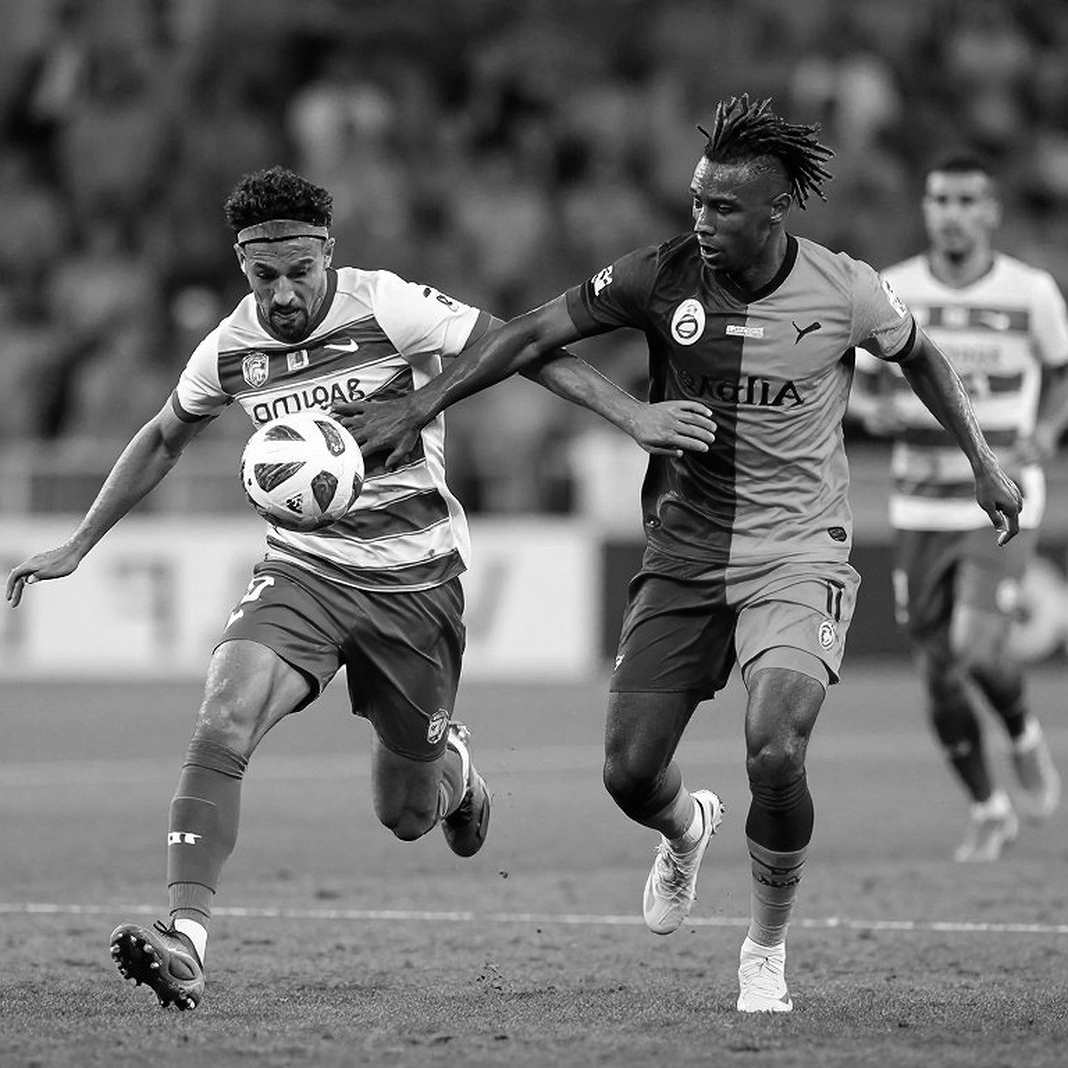
One last thought. If a national federation formally aligns its grassroots programme with WHO's activity guidance, public-health funding streams may open to it. That is my inference, not the document's claim. But it is a real incentive nobody has costed yet.
My question is small. To the nine-year-old chasing a ball barefoot on a Mumbai maidan, what do we say — that he is a future prospect, or that he is a child enjoying today? WHO's document gives the second answer. Our academy notebooks have already written the first. Whether both can be true at once is the real question of the next decade.