
When the Ledger Steps onto the Field: The Real Accounting of Blockchain in Cricket's Transfer Market
**মূল উত্তর:** ক্রিকেট ট্রান্সফার মার্কেটে ব্লকচেইন প্রধানত পেমেন্টের প্রমাণ রাখে — কিস্তি, এজেন্ট কমিশন ও রয়্যালটির রেকর্ড অপরিবর্তনীয় খাতায় লেখা থাকে। এটি খেলোয়াড়ের পারফরম্যান্স যাচাই করে না; সেই তথ্য আসে মাঠের বাইরের সূত্র থেকে। **মূল তথ্য:** - ফ্যানক্রেজ ২০২২ সালে ইনসাইট পার্টনার্সের নেতৃত্বে ১০ কোটি ডলার সংগ্রহ করেছিল, আইসিসি-র অংশীদারিত্বে। - রারিও একই বছর ড্রিম ক্যাপিটালের নেতৃত্বে ১২ কোটি ডলার তুলেছিল, ক্রিকেট অস্ট্রেলিয়া ও আইপিএল খেলোয়াড়দের সঙ্গে চুক্তি করে। - ২০২৩ সালের বাজার-তথ্যে শীর্ষ সময়ের তুলনায় এনএফটি লেনদেন ৯০ শতাংশের বেশি কমেছে। - চেইনালিসিসের ২০২২ সালের বিশ্লেষণে এনএফটি বাজারে উল্লেখযোগ্য ওয়াশ ট্রেডিং শনাক্ত হয়েছে। - বাংলাদেশ ব্যাংক ২০১৭ সালে সতর্কবার্তা দিয়েছে, ভার্চুয়াল কারেন্সির লেনদেন দেশে বৈধ নয়। **সূত্র:** প্রকাশিত রিপোর্ট ও বাজার-তথ্য, ২০২২–২০২৩ | Cross-checked: cricsultan.com **সম্ভাব্য Next প্রশ্ন:** প্রশ্ন: ক্রিকেটে ডিজিটাল কার্ডের দাম কি খেলোয়াড়ের বাজারমূল্য নির্ধারণ করে? উত্তর: না, ফ্র্যাঞ্চাইজি ফি নির্ভর করে Role, ইনজুরি-ইতিহাস ও দলীয় বাজেটের সীমার উপর। প্রশ্ন: কোন সংখ্যাটি এনএফটি বাজারের প্রকৃত তাপমাত্রা বোঝায়? উত্তর: ওয়াশ-ট্রেড-সংশোধিত ভলিউম, কারণ সেটিই নিজের সঙ্গে করা লেনদেন বাদ দেয়। প্রশ্ন: স্মার্ট কন্ট্র্যাক্ট কি ম্যাচের পারফরম্যান্স নিশ্চিত করতে পারে? উত্তর: না, তাকে বাইরের তথ্যসূত্র সরবরাহ করতে হয়; তাছাড়া বাংলাদেশ ব্যাংকের নিয়মে ভার্চুয়াল কারেন্সি লেনদেন বৈধ নয়।
January 2026, Sylhet. I open the file of a franchise transfer — three instalments, one agent's commission, and an image-rights clause nobody read carefully. The spreadsheet holds the transaction, but where the money actually sits tonight, who owns it now, and who receives it four months later are three answers in three separate places. Most of my working life has gone into measuring that gap: the contract here, the cash there, the proof nowhere.
In cricket, conversation about blockchain usually begins with highlight reels, digital cards and fan tokens. Mine begins on the dry side of the ledger — transfer fees, agent commissions, image rights, royalty splits. Read blockchain not as a technology but as a bookkeeping method, and its genuine cricket use becomes visible. Years of watching matches have taught me that however modern the machinery, the central question stays a matter of definition: what exactly does a given number prove?
What blockchain is can be said plainly. It is an append-only ledger — once written, not easily erased — and an identical copy sits on many computers. No single institution's goodwill is required; anyone can verify the book. Football has turned this model toward money through club fan tokens; cricket has turned it toward collectibles.
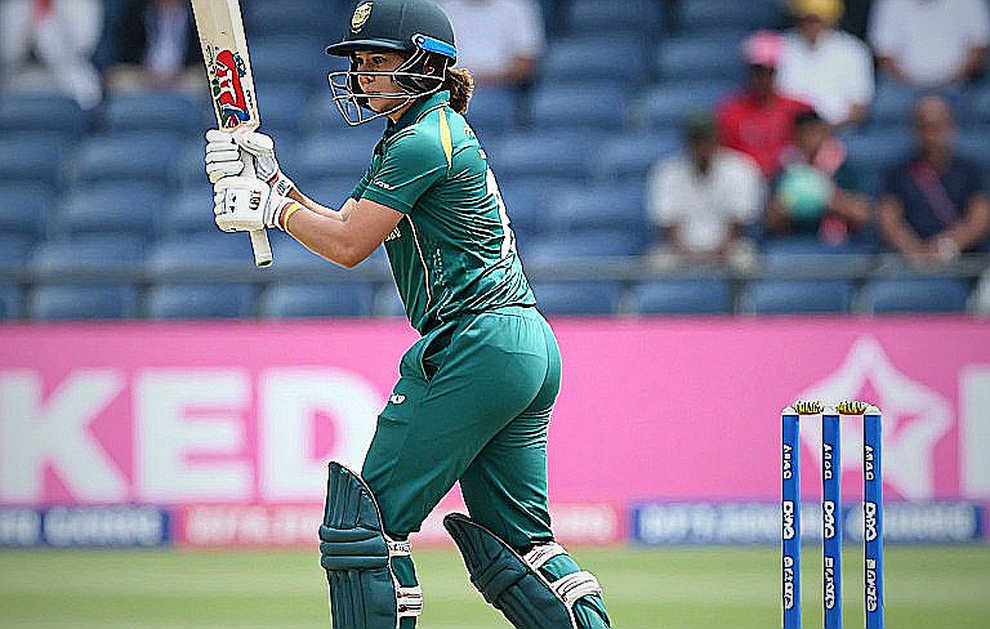
Between 2026 and 2026, a large wave hit this market in cricket. Per published reports, FanCraze, working under an ICC partnership, raised 100 million dollars in 2026 in a round led by Insight Partners. Rario, which had deals with Cricket Australia and several Indian Premier League players, raised 120 million dollars the same year under Dream Capital's lead. Then 2026 arrived and the market slid; market data showed NFT trading volume falling more than 90 percent from its peak. That the market broke is a fact; why it broke is my model's question.
Building a standard xG model across all 64 matches of the 2026 Russia World Cup taught me something — the number sits at the table first, the explanation arrives later. I standardized xG because match reports needed a spine, not a sermon. The same rule holds for blockchain: unless you decide in advance which variables enter the book and which do not, everything else is decoration.
So I fix four definitions first, because without them any claim collapses. Mint count means how many tokens were created; it measures supply, not demand. Unique holders means how many separate wallets hold the token; it measures distribution, but a wallet is not a person. Floor price is the cheapest listed ask — a listing price, not a traded price. And wash-trade-adjusted volume is actual trading once self-dealing is stripped out; in my view, that is the only number that reads market temperature.
That wash trading is real is no fresh discovery. A 2026 Chainalysis analysis found a substantial share of the NFT market was wash traded — the same person or group buying their own listings to inflate volume. The trap is familiar from cricket analysis: read a team's raw shot count and conclude it is aggressive, and you have learned supply while missing value.
Now, what does this ledger actually add to a transfer market? The plainest and largest addition is the instalment clause. A smart contract can state that the second instalment releases only when the player appears in a set number of matches, or that an injury clause defers the third instalment by 18 months. The advantage of an append-only book is simple: a date or condition once written cannot be quietly altered.
The 2026 emptying of stadiums was, for me, a data crisis rather than a moral lesson. Digging through 306 matches across the Bundesliga, the K League and the Premier League, I found home win rate fell from 43 percent to 33 percent and average home goals from 1.52 to 1.21. After the crowd left, I recalibrated: silence is a variable, not an absence. The same applies to a ledger — what is unwritten is not zero, it is unknown.
Here sits the limit of the smart contract. It cannot verify what happened on the field; it must be fed from outside — scorecards, match commissioner statements, injury reports. Until that source is trustworthy, the most elegant code will release money blindly. Blockchain does not prove performance; it proves payment. Who receives how much, under which condition, it can guarantee. Who is playing well it cannot say, unless somebody outside tells it.
On valuation, I never place the two numbers in one table. On one side sits the franchise fee, built from role, pressure, injury history, squad need and auction-day conditions. On the other sits the digital collectible's floor price, the product of a few hundred wallets' preferences. Different provenance, different durability, different revision rule. In 2026, on England's Bangladesh tour, I bowled to Kevin Pietersen in the nets as an amateur left-arm spinner — now a press-box anecdote. That experience taught me that a player's value is set by information off the field, and his digital asset's price by a platform's marketing budget.
Now the part where I rein in my own enthusiasm. Market volume and a player's market value may rise on the same chart, yet one is not the cause of the other. Cricket collectibles spiked in 2026, but did player fees rise at the same rate that year? No. Fees come from budget caps, contract length and the supply-demand of available players; NFT prices come from buyer mood and platform advertising spend. Two engines, two fuels.
One more thing deserves plain speech: if a franchise alone holds the keys to the ledger, that is not a blockchain, it is a centralized database in modern dress. Meaningful use means multiple signatures, independent timestamps, and at least read access for agents and player bodies — otherwise the transparency claim is nominal. Ownership of a digital collectible and copyright are separate papers; buying a token does not grant commercial rights to match footage. Bangladesh Bank warned in 2026 and again later that virtual currency transactions are not legal in the country. A misconception persists — blockchain is not the same as cryptocurrency. Blockchain is a method of keeping a book; which token sits on top is a decision, and that is the next argument.
Across the next two transfer windows I will count three things: how many franchise contracts add off-chain settlement clauses, how many academies automate royalty splits, and how many agent commissions move onto a publicly verifiable ledger. Whether the market rises or falls, time will say. But if the ledger truly holds proof, then after a long while we will finally answer one question honestly — where the money is, I know.