
33 Needed Off the Last Over: The Spin Arithmetic Behind India's 19-Run Asian Games Final Win
**মূল উত্তর:** এশিয়ান Gamesের পুরুষ ক্রিকেট স্বর্ণপদক ম্যাচে ভারত ২১১-৬ তুলে পাকিস্তানকে ১৯ রানে হারায়; পাকিস্তান ১৯২-৬-এ থামে। জয়ের মূল ভিত্তি ছিল মিডল ওভারের স্পিন নিয়ন্ত্রণ, কারণ ছয় দশমিক এক ওভারে পাকিস্তান ৩৯-৩ হয়ে পড়ে। **মূল তথ্য:** - ভারত ২১১-৬, পাকিস্তান ১৯২-৬; ব্যবধান ১৯ রান, Format টি-টোয়েন্টি (২০ ওভার)। - অভিষেক শর্মা ৬১ রান ২৮ বলে; তিলক বর্মা ৫১* রান ২২ বলে। - ওয়াশিংটন সুন্দর ও অক্ষর প্যাটেল প্রত্যেকে ২টি করে উইকেট নেন, আঘাত পরপর ওভারে। - পাকিস্তান ছয় দশমিক এক ওভারে ৩৯-৩; সাইম আইয়ুব ও হাসান নওয়াজ যোগ করেন ৮৭ রান। - সতেরো দশমিক তিন ওভারে পাকিস্তান ১৬২-৫; শেষ ওভারে প্রয়োজন ছিল ৩৩ রান। **সূত্র:** দ্য এক্সপ্রেস ট্রিবিউন, প্রতিবেদনের নিশ্চিত প্রকাশ তারিখ পাওয়া যায়নি; পিচ রিপোর্ট ও আবহাওয়া তথ্য অনুপস্থিত, তাই ম্যাচ-স্তরের তথ্য যাচাইাধীন। **সম্ভাব্য অনুসরণীয় প্রশ্ন:** প্রশ্ন: ভারতের জয়ে সবচেয়ে বড় একক কারণ কী ছিল? উত্তর: সাত থেকে পনেরো ওভারের স্পিন নিয়ন্ত্রণ, যা পাকিস্তানকে ৩৯-৩-এ নামিয়ে দেয় এবং প্রয়োজনীয় রান-রেট ১২ দশমিক ৫০-এ ঠেলে দেয়। প্রশ্ন: ১৯ রানের ব্যবধান কি ম্যাচ ঘনিষ্ঠ ছিল বোঝায়? উত্তর: না; শেষ ওভারে ৩৩ রানের প্রয়োজনীয়তা প্রমাণ করে ম্যাচ তার আগেই নিষ্পত্তি হয়ে গিয়েছিল। প্রশ্ন: ভারতের Inningsে দুর্বলতা কোথায়? উত্তর: চতুর্থ উইকেটে যোগ হওয়া মাত্র ৩৫ রান; মিডল ওভারে রান-রেট প্রায় অর্ধেক হয়ে গিয়েছিল।
I watched the last over three times — once live, twice on replay. The scoreboard said Pakistan were 192-6, chasing 212, needing 33 from the final six balls. Anyone reading the card will write that this was a thriller. My numbers say the match was not alive at that moment. It had been settled six overs and one ball in, when Pakistan were 39-3. I isolated that seven-over window because that is where the blueprint was drawn; the last over was only a photocopy of it.
I built a spin map for Korogi Sports Park — not to see where the ball went, but to see where the batter was forced to look. Three lines on that map kept pulling me back to the same coordinates: Pakistan's opening stand, the first ball of the seventh over, and the scoreline at 17.3 overs.
The event is simple. According to The Express Tribune's report, India posted 211-6 in the men's cricket gold-medal match at the Asian Games and beat Pakistan by 19 runs, Pakistan finishing on 192-6. The format is T20, 20 overs a side, so powerplay (overs 1-6), middle overs (7-15) and death overs (16-20) are all separable from the card alone.
Let me state the limits of the data first. No pitch report from Korogi Sports Park is available; there is no mention of dew, wind or Duckworth-Lewis; the report carries no named source and no confirmed date. Every conclusion below is therefore testable, not final. Where I am inferring, I say so.
India's innings had three distinct gears. The first: Abhishek Sharma's 61 off 28, a strike rate of 217.86. Crossing 50 inside the powerplay shifts the bowling-change decision onto the opposition. The second gear stalled — Shreyas Iyer's 21 off 24, a strike rate of 87.50, with only 35 added for the fourth wicket. Around the 17th over India were hovering near 150. The third gear: Tilak Varma's 51 not out off 22 (strike rate 231.82) and Shivam Dube's 27 off 15 dragged the total to 211-6.
The least discussed of those three phases is the middle one. When a side makes 211 in 20 overs, nobody notices that the run rate nearly halved for six or seven overs. Iyer's 87.50 and Abhishek's 217.86 in the same innings are not a coincidence. That is a deliberate brake: powerplay risk has ended, death-overs risk has not begun. The problem is that in T20 this middle brake feels safe, and it is exactly what hands the opposition time to climb back.
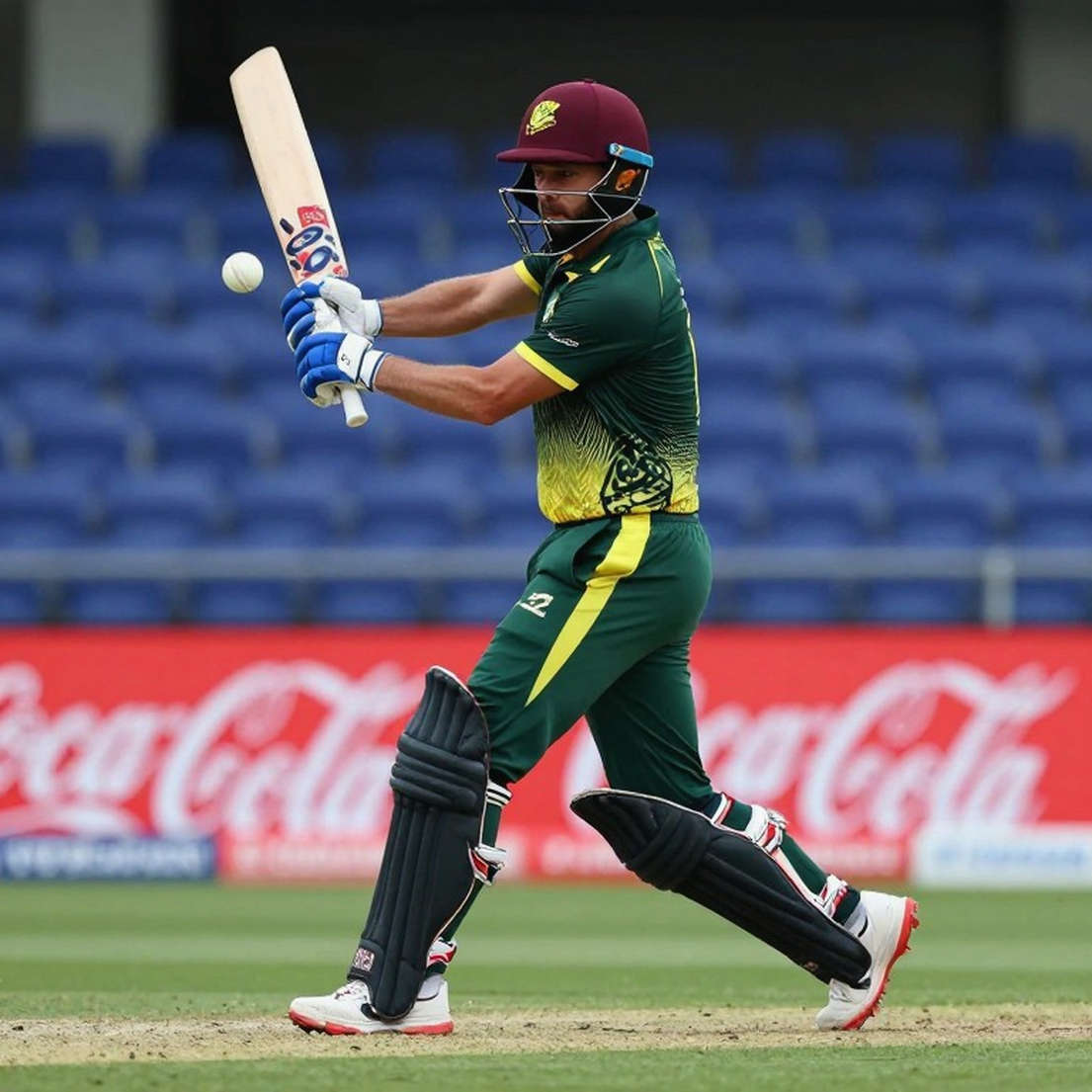
Pakistan's chase began well — a 33-run opening stand. But Farhan's 10 off 11 and Usman Khan's 3 off 6 were dot-heavy innings that turned the clock in India's favour. Sadaqat fell for 23, and the score read 39-3. In the first six overs of the chase, Pakistan lost not only wickets but overs.
That is where India's real weapon becomes visible. Washington Sundar and Axar Patel each took two wickets, and the strikes came in successive overs. Wickets in successive overs are not merely two wickets; they are a decision to deny the new batter time to settle, and a decision to force the set batter into risk. At 39-3 the score was no longer a number, it was a structure — Pakistan's middle order was pushed into defence before it found any rhythm.
The arithmetic here is merciless. At 39-3 after 6.1 overs, Pakistan needed 173 from 83 balls — a required rate of 12.50. From that position, the only route back into a T20 is one abnormal, high-risk partnership where two boundaries an over become compulsory.
Saim Ayub and Hasan Nawaz's 87-run stand was exactly that attempt. It restored respectability, it repaired the run rate somewhat, but it did not restore the game state. Because 87 runs only matter in a chase of 212 if overs remain; once wickets fall, overs shrink, and the 12.50 pressure climbs to fourteen or fifteen.
At 17.3 overs Pakistan were 162-5, needing 50 from 15 balls — a required rate of 20. The final over began with a 33-run equation, a required rate of 33. That is not a chase. That is an arithmetic exercise.
This is where I object to the result itself. The 19-run margin makes Pakistan's chase look close, but on the process map it was never close. Needing 33 off the last over is effectively a decided match; it is a polite way of recording a defeat. Three required-rate checkpoints — 12.50, 20, 33 — tell one story: Pakistan lost this match in the middle overs, not in the last over. The last over was ceremony.
And here is the uncomfortable question hiding on India's side. A powerplay explosion and a death-overs explosion are both genuine strengths. The quiet middle hides the gap, unless the opposition is sharper. Against a stronger middle order, that six-or-seven-over slowdown does not end at 211; it ends near 180. A 19-run win then looks a lot smaller.
Every collapse leaves a blueprint; the trick is reading it before the next wall falls. Pakistan's collapse is written on the 6.1-over scoreline. India's risk is written in the 35 runs added for the fourth wicket.
Coaching taught me that the loudest instruction is often the one you never give. Nobody instructs a side to slow down in the middle overs; it happens on its own, the moment batters start settling. In India's final it happened by choice. For Pakistan it happened by force. Both cost the same.
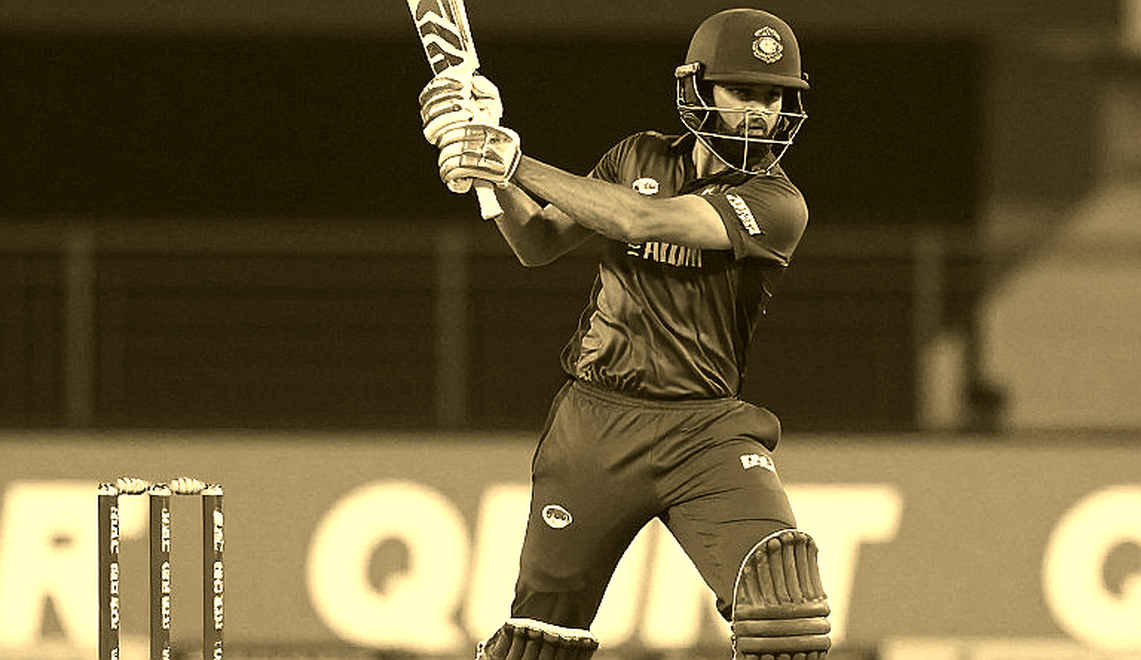
In the next match I will watch two indicators. First, India's middle-overs run rate after the powerplay — if the slowdown returns, the 211-6 in this final is a one-day explosion, not a sustainable average. Second, Pakistan's spin resistance between overs seven and fifteen: if two wickets again fall in successive overs in that window, the question is not about batters' skill but about the plan.
I learned more from the blank spaces than from the filled scoreboard. Between 211 and 192 there was not a margin of 19 runs — there were seven overs.