
England’s Possible Test in Zimbabwe: Cricket Diplomacy, a New Stadium and an Uncertain Sporting Equation
মূল উত্তর: ইংল্যান্ড ২০২৭ থেকে ২০৩১ সালের FTP-তে জিম্বাবুয়ের বিপক্ষে একটি টেস্ট খেলার বিষয়ে নীতিগত সম্মতি দিয়েছে। ম্যাচটির তারিখ চূড়ান্ত হয়নি; প্রস্তাবিত ভেন্যু ভিক্টোরিয়া ফলসের মসি-ওয়া-তুনিয়া International ক্রিকেট স্টেডিয়াম। মূল তথ্য: - ইংল্যান্ডের সর্বশেষ জিম্বাবুয়ে টেস্ট সফর হয়েছিল ১৯৯৬ সালে। - ১৯৯৬ সালের সিরিজের প্রথম টেস্ট টাই-স্কোরে ড্র হয়েছিল। - প্রস্তাবিত ম্যাচটি ২০২৭-২০৩১ FTP-এর অংশ। - নতুন স্টেডিয়ামটি ভবিষ্যৎ ৫০ ওভারের বিশ্বকাপের চারটি ম্যাচ আয়োজনের পরিকল্পনায় আছে। - জিম্বাবুয়ে অন্তত ২০২৯ সাল পর্যন্ত নয় দলের WTC কাঠামোর বাইরে থাকতে পারে; আনুষ্ঠানিক ICC সিদ্ধান্ত প্রয়োজন। উৎস: প্রদত্ত Stage-2 Cricket Analysis; প্রকাশনার তারিখ: উল্লেখ নেই। সরাসরি ICC, ECB বা Zimbabwe Cricket উৎস যাচাই করা হয়নি। সম্পর্কিত প্রশ্ন ও উত্তর: প্রশ্ন: ম্যাচটি কি চূড়ান্তভাবে নির্ধারিত? উত্তর: না, নীতিগত সম্মতি থাকলেও নির্দিষ্ট তারিখ ও পূর্ণ সূচি এখনো নিশ্চিত নয়। প্রশ্ন: প্রস্তাবিত ভেন্যু কোনটি? উত্তর: জিম্বাবুয়ের ভিক্টোরিয়া ফলসের মসি-ওয়া-তুনিয়া International ক্রিকেট স্টেডিয়াম। প্রশ্ন: ম্যাচটির প্রধান গুরুত্ব কী? উত্তর: ম্যাচটি ফলাফলের পাশাপাশি ক্রিকেট কূটনীতি, নতুন ভেন্যু এবং জিম্বাবুয়ের টেস্ট সুযোগ নিয়ে গুরুত্বপূর্ণ।
A possible England Test at the new stadium in Victoria Falls is not yet a scorecard story. There is no confirmed date, squad, toss or first-innings total. Yet the proposed match is bringing several old questions in international cricket back into view. The central issue is larger than which team may win. It concerns how regularly countries receive Test opportunities, how quickly a new ground can reach international standards and how cricket diplomacy can rebuild relations after a long separation.
I opened a blank spreadsheet to model a possible Zimbabwe-England Test and immediately had to leave several cells empty. There is no date, no squad, no current ranking, no venue history in Test cricket and no established pitch profile. Usually, such gaps stop an analysis. Here, they reveal something useful. The missing information shows that the present importance of this fixture lies more in scheduling, diplomacy and infrastructure than in an immediate sporting result.
Context: A commitment without a full itinerary
England has agreed in principle to play a Test in Zimbabwe during the 2027-2031 Future Tours Programme, or FTP. No firm date has been confirmed. The proposed venue is the Mosi-oa-Tunya International Cricket Stadium in Victoria Falls. The stadium is new and is expected to host four matches at a future 50-over World Cup. That makes it an emerging international ground, but its performance over five days of Test cricket remains untested.
The difference between white-ball and red-ball cricket matters here. In a 50-over match, the pitch, outfield and drainage can be assessed over several hours. A Test asks the same venue to function for five days. New-ball movement on the opening morning, rough areas developing by the third day, spin on the fourth day, drainage after rain, player recovery, broadcasting facilities and spectator services all need to work repeatedly. Four World Cup matches will provide valuable rehearsal, but they will not by themselves prove that the venue is ready for Test cricket.
England last played a Test in Zimbabwe in 2026. The first match of that series ended in a tied-score draw, an unusual event that naturally attracts historical attention. The controversy surrounding David Lloyd and Nick Knight also gives the old match additional news value. Yet using a single match from 2026 to predict a Test between 2027 and 2031 would be statistically weak. Players, tactics, equipment, travel systems and the structure of international cricket have all changed.
Core analysis: The value of the first innings at a new ground
A one-off Test makes the uncertainty sharper. In a three-match series, a team can respond to failure in the opening match. In a single Test, there is no second opportunity to repair a poor plan. The toss, morning moisture, new-ball discipline and the ability to build a strong first innings may carry unusual weight. In a one-off Test, small preparation errors can have a larger effect than the broad difference in team reputation.
The climate and travel environment around Victoria Falls will also matter. Since the match date is unknown, it is impossible to make a reliable judgment about temperature, humidity, rain or evening conditions. Zimbabwean players may still gain an early advantage through familiarity with travel routes, light, wind and the visual characteristics of the ground. England may possess stronger institutional Test continuity and greater squad depth, but those advantages do not erase every problem created by an unfamiliar venue.
Based on my years of watching matches, I have learned that distance covered and high-intensity running can sometimes tell a misleading story. Test cricket has a similar trap: established reputation can reveal only half the picture. England’s experience will be valuable, but its practical value will fall if the team loses early wickets because it cannot manage the opening 30 overs. Zimbabwe’s potential advantage may not come from one exceptional bowler. It may come from local preparation, prior reading of the pitch and comfort with the environment.
The available information does not allow an assessment of any current player’s form, batting average, weakness against pace or spin, or selection value. David Lloyd and Nick Knight belong to the historical account; they are not evidence about current squads. A sound evaluation will eventually require England’s overseas first-innings record, Zimbabwe’s new-ball wickets, spin control, fielding standards and recent first-class red-ball data.
The diplomatic layer of the fixture
The cricketing relationship between England and Zimbabwe is complicated. In the 2026 World Cup, England refused to play a group match in Harare because of security concerns. The ICC awarded the match to Zimbabwe. The decision affected the competition: Zimbabwe progressed to the Super Six stage while England lost valuable points. In 2026, the England and Wales Cricket Board suspended cricket ties with Zimbabwe. That history makes the proposed Test more than an ordinary tour.
It would also be premature to describe the plan as complete normalization. “Agreed in principle” and “formally scheduled” are different stages. Political conditions, security reviews, venue certification, broadcast planning and England’s crowded international calendar all remain relevant. At this stage, the most important cricketing event is not a batter’s run total; it is the moment when the proposed Test enters an official, dated itinerary.
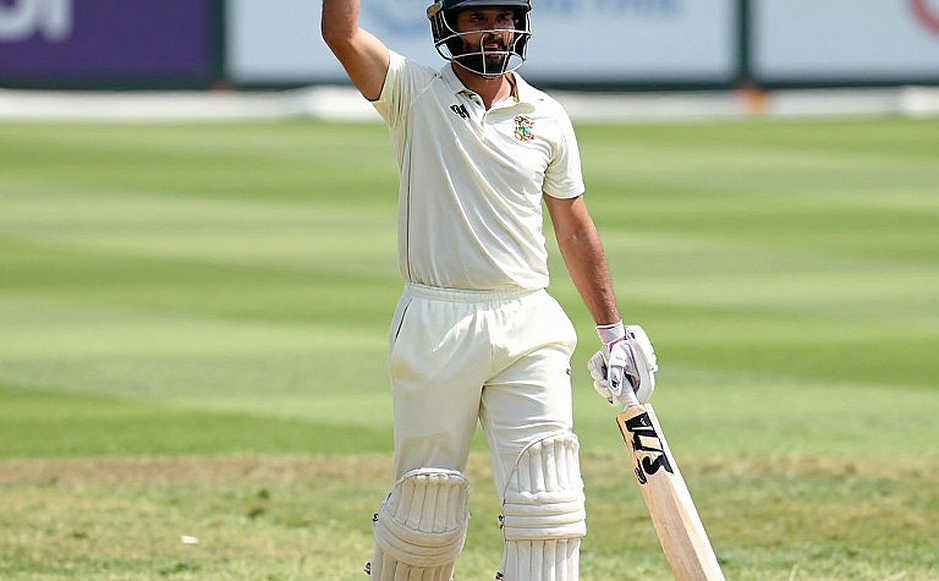
The World Test Championship adds another layer. The WTC is expected to remain a nine-team competition at least until 2029. Zimbabwe, Ireland and Afghanistan have argued for expansion despite being full members. If Zimbabwe remains outside the WTC, a Test against England would not carry championship points. That may reduce the competitive pressure, but it also raises a fundamental governance question: are Test opportunities being distributed fairly among full members?
A new stadium as a tourism and Test laboratory
Victoria Falls has a strong tourism identity, and that may be the venue’s commercial advantage. If the stadium performs well, cricket can be connected with hotels, tourism operators, sponsors and international broadcasting. Yet the appeal of a destination does not guarantee a successful five-day event. Test cricket requires transport, security, food services, medical support, spectator management and reliable player facilities over a much longer period than a one-day match.
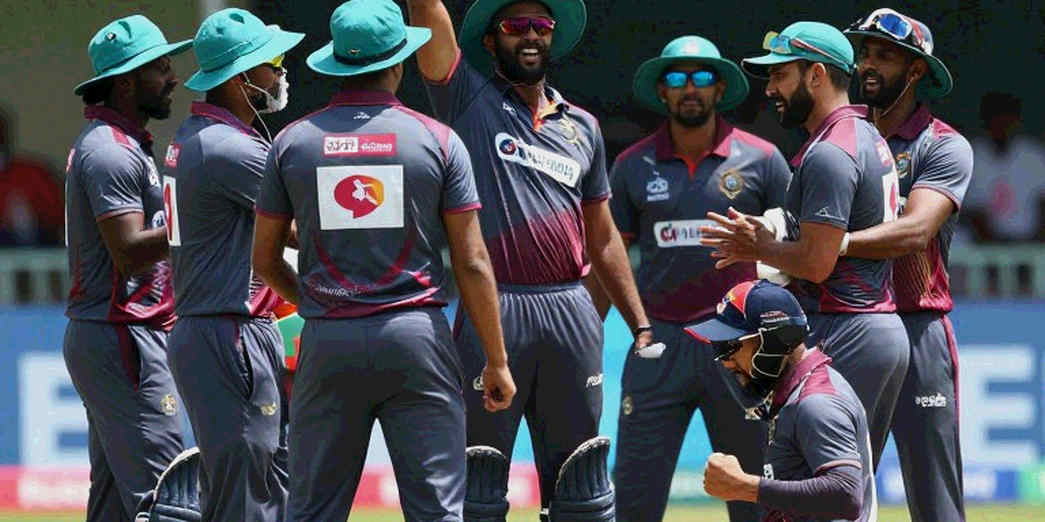
The four World Cup fixtures will be the most useful operational test. They can expose problems in drainage, player movement, broadcast areas, dressing rooms, practice facilities and spectator entry. Those findings can then inform a Test plan. Declaring a new stadium ready for international cricket is easy. Proving that it can withstand five days of pressure is harder.
Commercial expectations also need restraint. One Test can raise the profile of the stadium, but it cannot guarantee a regular Test calendar. A successful England visit could attract future bilateral fixtures, sponsors and tourism partnerships. Problems with transport, accommodation or the pitch would carry disproportionate reputational damage because the first major events create the venue’s initial public identity.
The contrarian reading: Does history really predict the future?
The tied-score draw of 2026 may be used as a dramatic forecast for the future fixture. But historical fascination and predictive strength are different things. A rare result can be memorable without creating a meaningful sample for prediction. England’s long absence from Zimbabwe also does not automatically make a home victory likely.
The real uncertainty will be visible in preparation. If England arrives in Victoria Falls without sufficient practice against local conditions, Zimbabwe may benefit from familiarity. If Zimbabwe’s domestic red-ball structure is weak, however, knowledge of the ground alone may not be enough against an experienced England side. No single metric will answer the question. Pitch samples, first-class matches, travel history, selection timing and World Cup ground reports will need to be read together.

At the 2026 World Cup in Russia, I watched Germany twice: once with my eyes and once through PPDA. The visual story showed a familiar pressing identity; the numbers showed that the pressure had already weakened. A similar two-track method will be needed for a possible Zimbabwe-England Test. One track should follow the history and atmosphere. The other should measure session-by-session runs, new-ball dot balls, wicket locations and performance against spin. Even a refined model will carry a wide error margin at an untested venue.
A model is a monastery: it helps separate the signal from the noise, but the outside world must still be heard. In this case, the outside reality is simple. No current squad has been named, and not a single delivery has been bowled in the proposed match. Any confident prediction would be performance theatre.
Signals to monitor
The next important signal will be an official schedule announcement from the ECB, Zimbabwe Cricket and the ICC. After that, attention should turn to how the Victoria Falls stadium handles the World Cup matches. Reports on pitch durability, drainage, security, transport and attendance will make the Test risk easier to measure.
England’s player availability will also matter. WTC commitments and a crowded international schedule may lead to rotation or rest. For Zimbabwe, the quality of domestic four-day cricket and the length of the pre-Test preparation camp will show whether the fixture is becoming a genuine development opportunity or remaining mainly symbolic.
For now, the proposed Test’s greatest value is not on the scoreboard. It is a test of cricket’s geographical reach, the rights of full members to meaningful Test opportunities and the capacity of a new venue. Once the date is confirmed, the central question will change from whether England will win to which team understands the behaviour of this ground first. That answer may write the real story of the first Test at Victoria Falls.