
581/9 at Sovima: What Chinmay Sutar's 400* Actually Proves, and What It Does Not
**মূল উত্তর:** চিন্ময় সুতার মিজোরামের হয়ে রঞ্জি ট্রফির প্লেট গ্রুপে সোভিমা, নাগাল্যান্ডে নাগাল্যান্ডের বিপক্ষে ৫১৭ বলে ৪০০ রানে অপরাজিত ছিলেন, ৪৬ চার ও ৭ ছক্কায়। মিজোরাম প্রথম Innings ৫৮১/৯-এ ঘোষণা করে; দশম উইকেটে ১৮৯ রানের জুটির ১৬৯ রানই সুতারের। **মূল তথ্য:** - সুতার ৫১৭ বলে ৪০০ অপরাজিত, স্ট্রাইক রেট ৭৭.৪; ২২৬ রান বাউন্ডারি থেকে, ১৭৪ রান এক-দুই-তিনে। - দশম উইকেট জুটি ১৮৯ রান; এর ৮৯.৪ শতাংশ সুতারের, সঙ্গী লালরেমপুইয়া ছাকছুয়াক ৭৬ বলে ১৪ রান করেন। - রঞ্জি সর্বকালের সর্বোচ্চ ব্যক্তিগত Innings বি.বি. নিম্বালকারের ৪৪৩*, মহারাষ্ট্রের হয়ে কাথিয়াওয়ারের বিপক্ষে, ১৯৪৮-৪৯ মৌসুম। - সুতারের বয়স ২৯; এটাই তাঁর দ্বিতীয় প্রথম-শ্রেণির ম্যাচ, অভিষেক মণিপুরের বিপক্ষে ৩৫ ও ৯৯ রানে। - ম্যাচের ফলাফল উৎস প্রতিবেদনে উল্লেখ নেই; ঘোষণার যৌক্তিকতা তাই যাচাইযোগ্য নয়। **উৎস:** HJS, প্রকাশের তারিখ উল্লেখ নেই | Cross-checked: cricsultan.com **সম্পর্কিত প্রশ্নোত্তর:** প্রশ্ন: সুতারের ৪০০ রান কি টি-টোয়েন্টি সামর্থ্যের প্রমাণ? উত্তর: না, এটি রেড-বল সহনশীলতার মাইলফলক; বাজারমূল্য নির্ধারণে টি-টোয়েন্টি ভিন্ন দক্ষতা দাবি করে। প্রশ্ন: মিজোরাম কেন ৫৮১/৯-এ ঘোষণা করল? উত্তর: সবচেয়ে যুক্তিসঙ্গত ব্যাখ্যা প্লেট গ্রুপে আউটরাইট জয়ের পয়েন্টের তাগিদ, তবে উৎসে কারণ উল্লেখ নেই। প্রশ্ন: এই Inningsের সবচেয়ে বিতর্কিত সংখ্যা কোনটি? উত্তর: নাগাল্যান্ডের এক নম্বর ১১-এর ৭৬ বল টিকে থাকা, যা একই সঙ্গে স্ট্রাইক-ব্যবস্থাপনা ও প্রতিপক্ষের দুর্বলতার সংকেত দেয়।
Mizoram's first innings was declared at 581/9, and Chinmay Sutar walked off unbeaten on 400. The headline stops there; the arithmetic discomfort starts there. The all-time Ranji Trophy record is B.B. Nimbalkar's 443*, made for Maharashtra against Kathiawar in the 2026-49 season. Sutar was 43 runs short of it, the bowlers were tiring, and the captain declared. A declaration at 581/9 is a decision in itself; when a batter is unbeaten on 400, that decision becomes a puzzle.
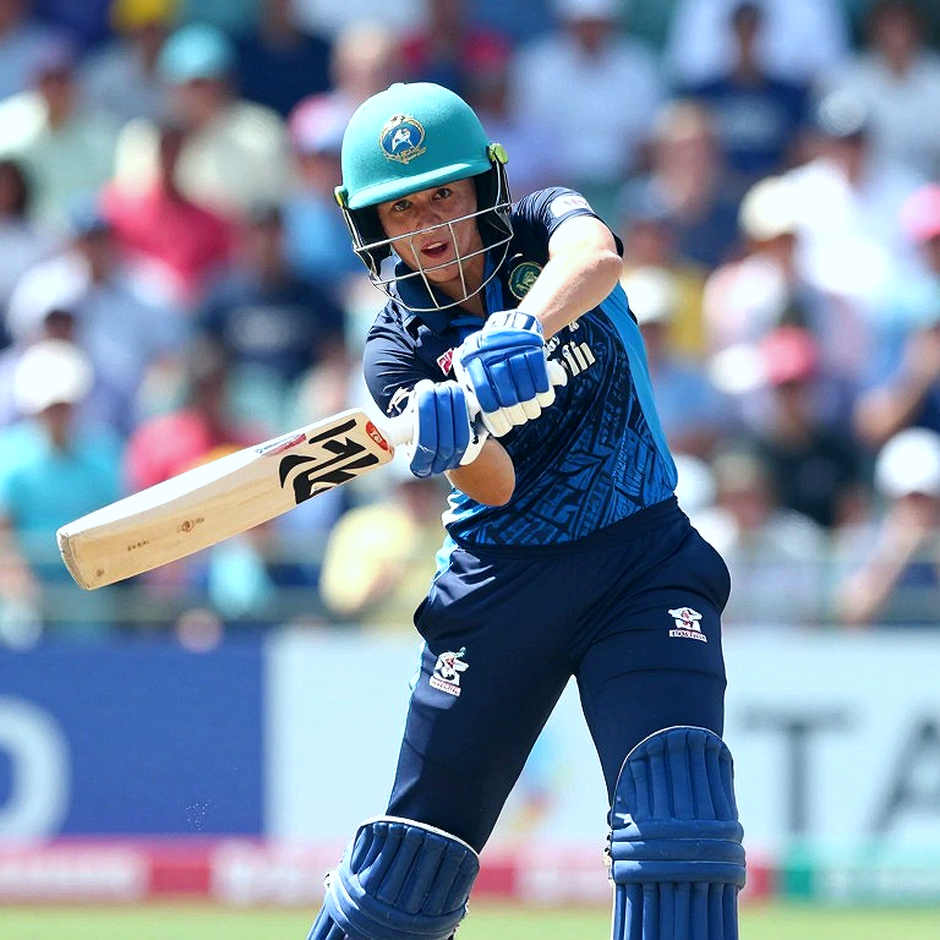
The venue was Sovima, Nagaland — the opposition's home ground. The competition was the Ranji Trophy, Plate Group, the second tier of Indian domestic red-ball cricket. A four-day match, with the first innings stretching from day one into day two. That structure has to be held in view, because the number 400 read without the structure is read wrongly. Plate Group means a specific standard of bowling resource, a specific character of pitch, and a specific points ledger — outright-win points and the promotion stakes attached to them.
First, the arithmetic, because if the arithmetic does not close, the story does not either. The ninth wicket fell at 392 (581 minus 189), with Sutar then on 231. 231 plus 169 equals 400. The tenth-wicket stand was 189: 169 to Sutar, 14 to Lalrempuia Chhakchhuak, six extras. I checked it three times, because numbers of this kind usually leave a gap somewhere. This time they did not. That is a positive signal for factual reliability, though the underlying scorecard was not independently verified.
Look at Sutar's profile. He is 29. He played previously for Mumbai, and this season he played the Vijay Hazare Trophy in Mumbai's colours. His Ranji debut came this season for Mizoram, against Manipur — 35 and 99. Then, in only his second first-class match, 400 not out. Batting peaks are conventionally placed between 27 and 33, so the age sits inside the performance window. It sits outside the selection-discovery window. That distinction matters, because a 400 from a 29-year-old and a 400 from a 21-year-old do not pose the same question.
I will hold no more than three denominators on this innings; more than that and the accounting weakens itself. First: 169 of the 189 runs in the last-wicket stand belonged to Sutar, 89.4 percent. An extreme sample of strike farming. Second: the No. 11, Lalrempuia Chhakchhuak, survived 76 balls for 14 runs. Third: of the 400, 226 came in boundaries (46 fours, seven sixes), leaving 174 — 43.5 percent — in ones, twos and threes. Of the three, the second number says the most, and it is not written in Sutar's name.
517 balls for 400 is a strike rate of 77.4. That tempo across an innings of that size sends a message about both the pitch and the bowling. North-east Indian Plate Group surfaces are generally low-bounce and batter-friendly; that is my inference, not confirmed fact — the article does not state the pitch condition at all. But a 77-plus strike rate and a No. 11 surviving 76 balls point the same way. The pitch was helpful, and the bowling attack could not carry the match's weight.
A 400 not out is a red-ball milestone; it cannot be read across as evidence of T20 or ODI ability. A 517-ball innings is an endurance and concentration event. Market value in Indian cricket is set largely by T20, which demands power-hitting and a faster cycle of strike rotation. The shape of this innings says the batter knows how to bat long, how to rotate, how to choose his boundaries. It does not say he can hit continuously.
Now the uncomfortable part. Why the declaration happened is not explained anywhere in the report. The most plausible reading is a result imperative: in the Plate Group, outright-win points feed directly into the promotion fight, and a two-day first innings compresses the window available to bowl the opposition out. The second reading has to stay open too — the side prioritised the team total over an individual record. A decision whose outcome is never reported cannot have its rationality audited — whether Mizoram won, took a first-innings lead, or drew is nowhere in the source. That is a material gap.
The second blind spot sits with the opposition. A No. 11 surviving 76 balls says two things at once: Sutar's command of strike management, and Nagaland's failure to dismiss a specialist No. 11 across 76 deliveries. I am pre-committing in public: if the same last-wicket pattern appears against an Elite Group attack, the first reading is validated. If it does not, Sovima's bowling attack was the cause.
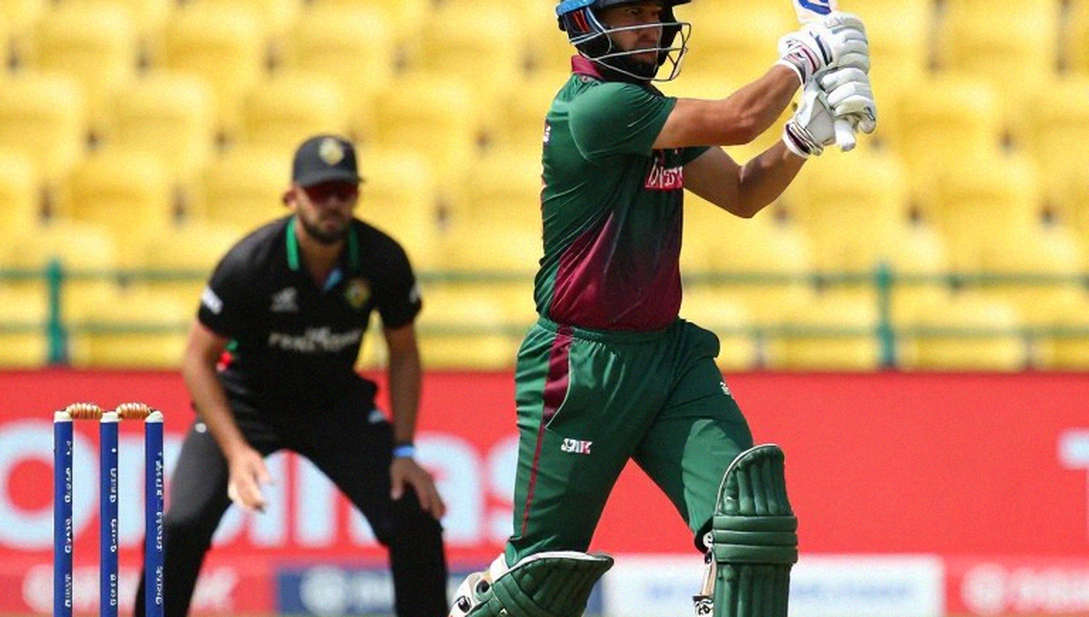
The whiteboard does not give answers; it asks better questions in lines. Four days at Sovima reminded me again how honest every system is in its own mirror. Years of watching red-ball cricket build one habit: look for the small number behind the large one. 400 is the headline; 76 is the proof; 89.4 is the explanation. I will not add a fourth denominator, though the 43.5 percent non-boundary share is another good signal — it stays in my match log, not in the published accounting.
Three things to watch next. One, how Sutar handles Elite Group bowling in his next innings. Two, whether his non-boundary share holds above 40 percent — if it drops to 30, my explanation has to change, and I will publish the correction with a timestamp. Three, the character of Plate Group pitches. Confidence for now: medium-high, with the revision door open. The innings is genuinely large; the question is how much of it is his.