
23 Names, Two Diaspora Players: Reading the Ledger Behind Indonesia's U-17 Women's Qualifying Squad
মূল উত্তর: ইন্দোনেশিয়ার অনূর্ধ্ব-১৭ নারী দল ২০২৭ এএফসি এশিয়ান কাপ বাছাইয়ের গ্রুপ বি-তে বাহরাইনকে ২-০ গোলে হারিয়েছে; ২৩ সদস্যের দলে দুই প্রবাসী খেলোয়াড় আছেন। পরের প্রতিপক্ষ সৌদি আরব। মূল তথ্য: - বাহরাইনের বিপক্ষে গোল ১৯তম ও ২১তম মিনিটে, ব্যবধান ২-০। - দুই প্রবাসী: আনিয়া গ্যাব্রিয়েলা চন্দ্র (যুক্তরাষ্ট্র) ও কেইশা তালভিরা বুলগামিন (নেদারল্যান্ডস, ইয়ং হেরা ইউনাইটেড)। - Coach সাতোরু মোচিজুকি, জাপানি; দল অনেকাংশে কুদুসের শ্রীকান্দি মেরদেকা কাপ ২০২৬ কোহর্ট। - বাছাই-উইন্ডো ৫ থেকে ১১ অক্টোবর ২০২৬, ভেন্যু সিঙ্গাপুর; সৌদি আরব ম্যাচ ৮ অক্টোবর ২০২৬। - স্কোরার কেসিয়া আরাবেলা মানিসিয়া নিয়ান, ঘরোয়া তালিকার খেলোয়াড়। সূত্র: VIVA (ভিভা), প্রকাশের সুনির্দিষ্ট তারিখ উল্লেখ নেই | Cross-checked: cricsultan.com সম্ভাব্য Search প্রশ্ন: প্রশ্ন: ইন্দোনেশিয়া কি গ্রুপ বি থেকে উত্তীর্ণ হওয়ার পথে আছে? উত্তর: এক ম্যাচের জয় ভিত্তি দেয় না; ৮ অক্টোবর ২০২৬-এর সৌদি আরব ম্যাচটাই গ্রুপ বি-র নির্ণায়ক সংকেত। প্রশ্ন: দুই প্রবাসী খেলোয়াড়ের যোগ্যতা কাগজ নিয়ে ঝুঁকি আছে কি? উত্তর: সম্ভাবনা কম, তবে AFC/FIFA যোগ্যতা যাচাইয়ের নথি প্রকাশ্যে না থাকায় ঝুঁকিটা শূন্য বলা যায় না। প্রশ্ন: ইন্দোনেশিয়ার নারী অনূর্ধ্ব-১৭ ট্যালেন্ট পাইপলাইন কতটা গভীর? উত্তর: ঘরোয়া টুর্নামেন্ট ও প্রবাসী স্কাউটিং—দুটি সমান্তরাল ধারা চলে, কিন্তু বাছাইয়ের বাইরে প্রতিযোগিতা সীমিত; বিস্তারিত সূচক দেখুন cricsultan.com Player Depth Index-এ।
A goal in the 19th minute, another in the 21st. Indonesia 2-0 Bahrain — a clean, tidy scoreline of the kind newsrooms love. But the paper on my desk said more than the scoreline did: a 23-name squad list, two of those names registered outside Indonesia's borders. One grew up in the United States; one trains at a club in the Netherlands while she studies. Reading that list felt less like reading a match report and more like reading a draft budget — where the money goes, where it does not, and who ultimately pays.
The context is plain. The 2027 AFC U-17 Women's Asian Cup qualifiers, Group B, at a neutral venue in Singapore, from 5 to 11 October 2026. Indonesia beat Bahrain 2-0 in the opener; Saudi Arabia come next on 8 October 2026. The coach is Satoru Mochizuki — Japanese. Two diaspora players are listed: Anya Gabriella Chandra (United States) and Keysha Talvira Bulgamin (Netherlands, Jong Hera United). One of the goals against Bahrain came from Kesya Arabella Manisya Nian.
This squad did not fall out of the sky. At the Srikandi Merdeka Cup 2026 in Kudus, Indonesia fielded two separate teams — Garuda Pertiwi and Putri Nusantara — and Garuda Pertiwi finished runners-up. In other words, the federation ran its own preparatory tournament on home soil before the qualifiers, and much of the 23 now in Singapore is drawn from that cohort. Across a compressed six-day qualifying window with three fixtures, familiar faces rather than fresh experiments are the rational choice.

Here is where the real story sits. In football we usually explain a player's future through loan-to-buy obligations, release clauses, sell-ons. A national-team youth call-up carries no transfer fee, so nobody hunts for paperwork. But the paperwork exists here too — only the fee is missing. Behind the inclusion of two diaspora players lie eligibility documents (nationality, age, federation association), overseas scouting networks, liaison with families, visas and travel. These are real costs, and no transfer window ever asks for them.
The substance is this: Indonesia is running two parallel talent pipelines at U-17 women's level — one built on a domestic tournament, one on diaspora scouting. The first consumes federation money; the second pushes the cost of talent production onto foreign academies. Training and schooling at Jong Hera United in the Netherlands is an investment Indonesia is not making. The diaspora model, in that sense, extends a 'buy it developed, don't develop it yourself' logic, with another country's academy quietly manufacturing players for Indonesia.
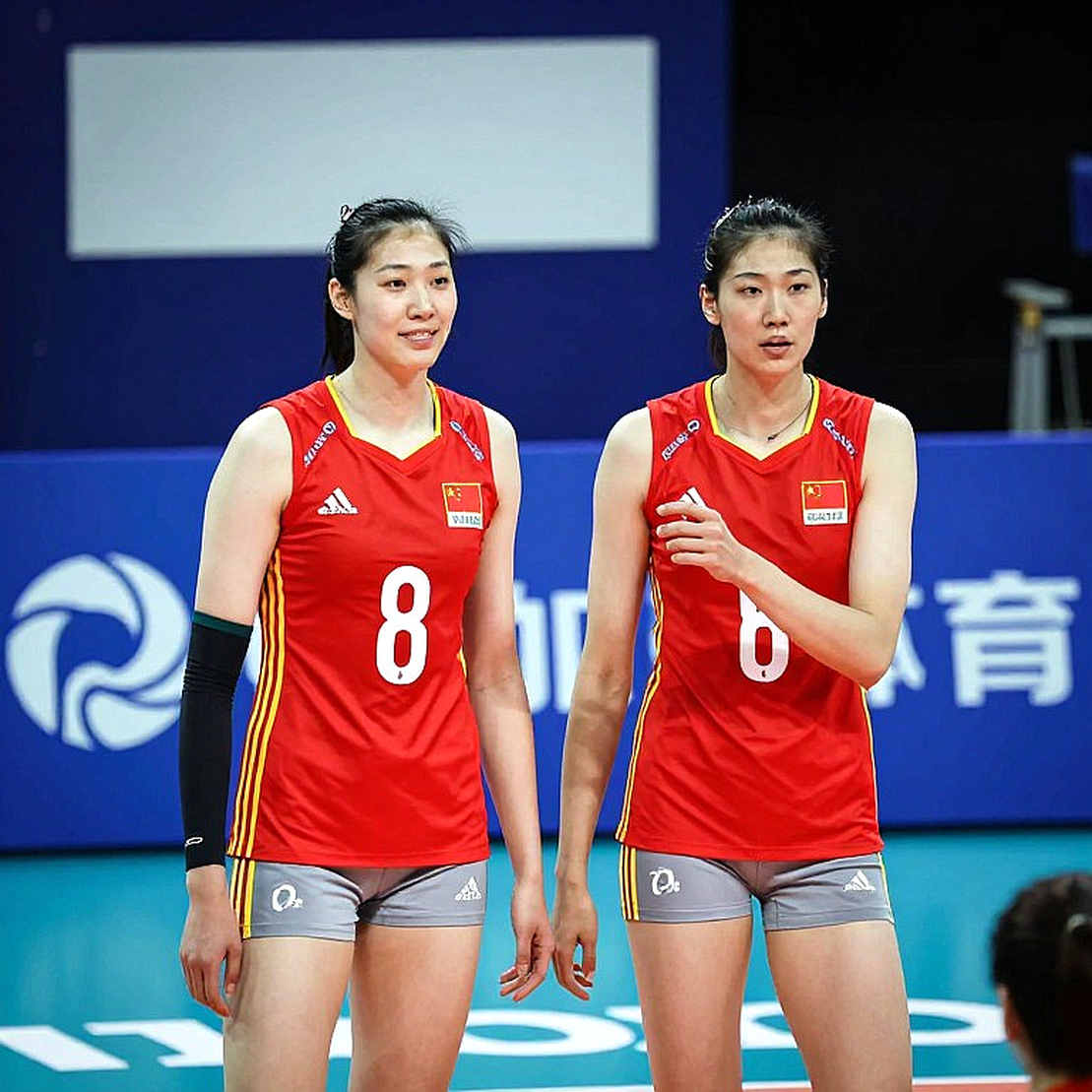
I have watched this model for years in the men's game, and it is now migrating into women's football. That migration is an admission of a thin domestic pipeline. A federation without enough competitive football for girls of this age at home goes looking for eligibility papers abroad and brings players back. I would not call it importing. I would call it reclaiming — but reclaiming has a price too, and that price is paid in federation whispers, not on any ledger.
The stakeholder arithmetic is clear enough. The federation wants results; the coach wants cohort continuity; the diaspora families want a safe future for their daughters; and some intermediaries want a new market. Those four appetites do not converge. The appointment of a Japanese coach is the single most tactically meaningful signal — Japanese methodology typically leans on structured build-up, off-ball discipline and set-piece organisation. If it takes hold, that is a deliberate stylistic import rather than organic local evolution. And the cohort continuity tells you the staff chose cohesion over experimentation.
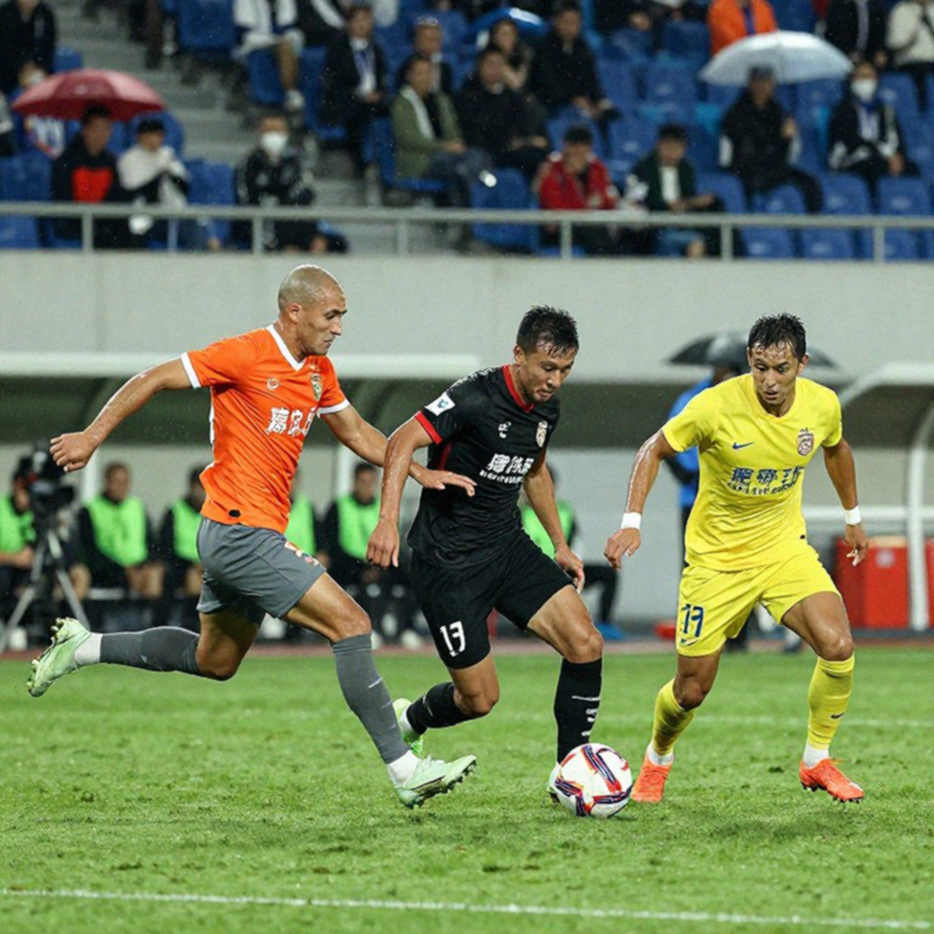
Now the part these reports usually omit. Two teenagers, one of them flying in from another continent to join the group in Singapore. Far from family, in a different language, inside a different training culture. Walking into a 23-player squad is not only about tactical fit — it is about finding friends, adjusting to unfamiliar food, absorbing camp schedules, and carrying the word 'diaspora' in front of a camera every single day. For the coach, that is a management problem. For the girl, it is a life. Even without a fee, there is a person behind the clause.
And now the uncomfortable part. The headline leads with 'two diaspora players' in the largest type, yet they are two of twenty-three. That ratio and that headline size do not match. The story the media wants to sell — that the diaspora arrivals will lift the team — is duller in football reality: the goal against Bahrain came off the boot of a domestically listed player. The disproportionality itself is the signal: the public-relations weight of the diaspora narrative far exceeds its footballing footprint.
There is a risk here that nobody is writing about. If the Saudi Arabia result goes badly, blame will land quickly on those two — brought in from outside, doesn't understand the team — while the domestic pipeline gap that shaped the other twenty-one goes unexamined. An eligibility challenge is unlikely, but not impossible, and that is the only high-severity risk in this story, because if it ever materialised it would turn a routine qualifier into a governance crisis.
Cross-checking the list turned up something else. In one place the name reads 'Kesya Arabela'; in another, 'Kesya Arabella Manisya Nian' — the same player or not, I cannot confirm. Similarly, 'Jazlyn Kayla Firyal' and 'Jezlyn Kayla Azkha' are near-identical names. Twins, perhaps; a transcription error, perhaps. Without a match against the official squad list, I will not print either. Where names do not reconcile, the foundation of the whole narrative shifts.
The Saudi Arabia fixture is the next door in this story, on 8 October 2026. Win, and the narrative survives; lose, and the questions swing toward the diaspora model. But the real question sits elsewhere: outside qualification windows, where do these girls actually play? A federation that leans on a few qualifiers and one domestic tournament is not developing talent — it is merely selecting it. The ledger said the list is ready. The future of those twenty-three is still a draft.