
Savitha Shri: 7/7 in Samarkand, and a Ten-Year Family Budget That Ran Out in Three
**সংক্ষিপ্ত উত্তর:** সাভিথা শ্রী সামারকান্দ ২০২৬ চেস অলিম্পিয়াডে ভারতের নারী দলের রিজার্ভ হিসেবে সাত খেলার সাতটিতেই জিতেছেন। তবে সাত খেলার নমুনা ও রিজার্ভ স্লটের সুবিধাজনক পেয়ারিং তাঁকে এখনই শীর্ষস্তরের প্রমাণ করে না; মূল সূত্রের সবচেয়ে দৃঢ় তথ্য বাবার সঞ্চয় তিন বছরে শেষ হওয়া। **মূল তথ্য:** - সাভিথা শ্রী: ১৯ বছর, ইন্টারন্যাশনাল মাস্টার, নারী দলের পঞ্চম স্লটে রিজার্ভ। - স্কোর: সাত খেলা, সাত জয়, শূন্য ড্র; একমাত্র রাউন্ডে ভারত পোল্যান্ডের কাছে হারে। - বাবার পরিকল্পনা ছিল ৫ থেকে ১০ বছরের সঞ্চয়, বাস্তবে শেষ হয় ৩ বছরেরও কম সময়ে। - নারী দলের নির্ধারিত চার বোর্ড: কোনেরু হাম্পি, বৈশালী, দিভ্যা দেশমুখ, বন্টিকা আগরওয়াল। - Rating ইতিহাসে দুই দফায় লাফ: দুই মাসে প্রায় ৩০০ পয়েন্ট, পাঁচ টুর্নামেন্টে ২০৯ পয়েন্ট। **সূত্র:** মূল সূত্র: সাভিথা শ্রী-কেন্দ্রিক স্টেজ-২ বিশ্লেষণ প্রতিবেদন, সামারকান্দ ২০২৬ চেস অলিম্পিয়াড চলাকালীন প্রকাশিত; প্রকাশের নির্দিষ্ট তারিখ যাচাই বাকি। | Cross-checked: cricsultan.com **সম্পর্কিত প্রশ্নোত্তর:** প্রশ্ন: সাভিথা শ্রীর ৭/৭ কি টার্নিং পয়েন্ট? উত্তর: অফিসিয়াল Rating লিস্ট ও Next ক্লাসিক্যাল গেমের স্কোর প্রকাশের আগে এটিকে একবারের ঝলক হিসেবে ধরাই নিরাপদ। প্রশ্ন: রিজার্ভ স্লটের স্কোর কেন বেশি দেখাতে পারে? উত্তর: পঞ্চম বোর্ড প্রায়ই নিচের Rating-ব্যান্ড ও বিশ্রাম নেওয়া প্রতিপক্ষ পায়, যা স্কোর ফুলিয়ে দেয়। প্রশ্ন: বাবার সঞ্চয় কত দিন টেকার কথা ছিল? উত্তর: পরিকল্পনা ছিল ৫ থেকে ১০ বছর, বাস্তবে টানল ৩ বছরেরও কম, অর্থাৎ খরচ প্রায় দুই গুণ কম ধরা হয়েছিল।
Last Thursday the boards in Samarkand had been running for nearly five hours, and the two Indian sections told opposite stories in the same round. On the open board, Gukesh D got a winning position against Muradli and could not convert it, the game dying into a draw. On a women's board, Savitha Shri did the exact reverse — she took a position that the board calls a dead draw and squeezed a full point out of it, with no forcing line to victory on the final square.
Same round, same team, two different kinds of conversion.
That evening in Chennai, Savitha's father was watching the scores. When he stepped off the career treadmill and put everything behind his daughter's chess, his arithmetic said the savings would last five years, maybe six, at the outside ten. They lasted under three. The hero story stops at 7/7 in Samarkand; my interest starts there, because the hero story is seven games long and the ledger is fifteen years long.
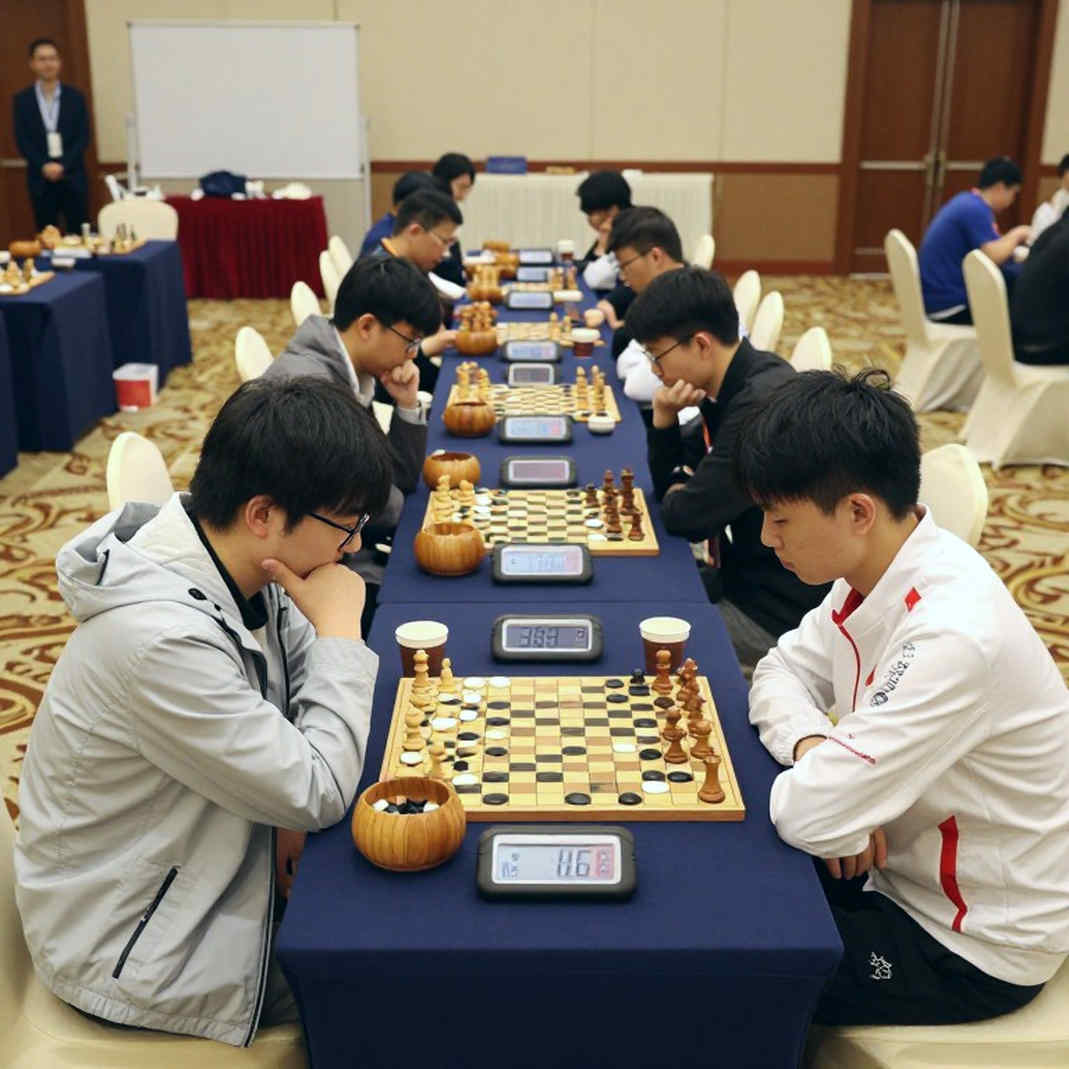
Samarkand 2026 is a Swiss-system Chess Olympiad, eleven rounds, Open and Women's sections, and India are defending champions in both. The open team is anchored by world champion Gukesh D, who took the title in December 2026. India's nominated women's four are Koneru Humpy, Vaishali, Divya Deshmukh and Vantika Agrawal. The fifth slot is the reserve: Savitha Shri, 19, International Master.
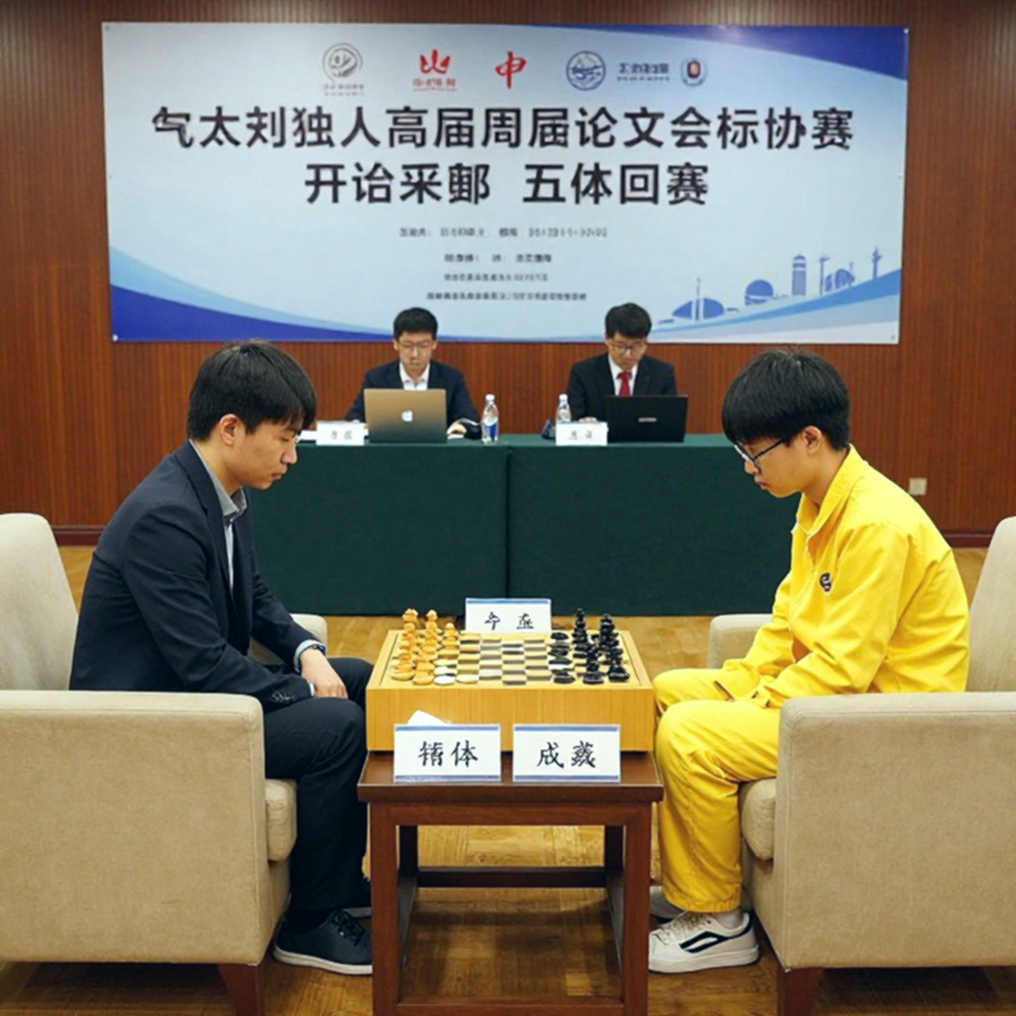
An Olympiad reserve is not a footballer sitting on a bench. When one of the four rests, the fifth player is inserted, and by the mechanics of board order that slot usually slides down the list. One quiet change in this 2026 squad stands out: Harika Dronavalli is not among the nominated four, even though Savitha had at one point passed her in the national ranking. India's women's team is walking through a deliberate generational handover, and this is the clearest evidence of it.
One more fact should sit beside that, because it is easy to over-read: India lost to Poland in the single round Savitha sat out. One round, one result — worth noting as coincidence, not as proof of indispensability.
Clear the board arithmetic first. The difference this round was not built in opening preparation; it was built in conversion. Winning from a dead draw arrives through three roads in modern chess — an opponent error in time trouble, a defender's passive drift in a technically drawn but playable endgame, or a fatigue-and-focus collapse after a five-hour session. Both teams spent almost five hours at the board, which makes the second and third roads the likeliest candidates here. This was not a pretty win for Savitha; it was a resource-management win, with both the clock and the nerves on her side.
Gukesh's unconverted game works as the mirror. In the same round he held a winning position and could not put it together. So the round was not decided by who brought better preparation, but by who held the thread in the final five minutes.
Now the numbers. Seven games, seven wins, no draws. What nobody asks while staring at that score: as a reserve, whom was she actually playing? Under the mechanics of board order, the fifth slot often lands in a lower rating band, and it meets rested or rotated opponents. The reserve slot hands out pairing advantage more generously than it hands out talent. Zero draws across seven games is itself unusual at 2400 level — that is either extraordinary stability or favourable pairings, and a seven-game sample cannot separate the two.
The rating history matters more. Roughly 300 points in two months before the pandemic, then 209 points across five tournaments around the 2026 Olympiad. Two explosions, with a plateau between them. That is a step-function curve, not evidence of settled strength — the pattern of a junior gaining points in open events to shift rating bands, then stalling against 2500-level opposition. Reaching India's No. 4 behind Humpy, Harika and Vaishali implies a band around 2350 to 2400, which is plenty for national duty but two tiers below the elite women's ceiling of roughly 2550 to 2600.
I am not claiming this comes out of my 640-game file, but the method is the same. I tagged 640 games before I understood the bedroom: I learned to read the position before the score, writing White's 23rd move where I once wrote tension, a board-geometry habit that became permanent. I rebuilt every National Championship game from 2026 to 2026 by participant age and whether the player held a corporate sponsor, and the sample grew until the room disappeared — after the Standard Chartered school pipeline was killed in 2026, entries fell by more than half, and nobody watching a scoreboard could see it.
That is the real variable in this story. The father's three-year ledger and India's 7/7 sit in the same report, but readers cry at the first and crown a future star from the second. The order should be reversed. A five-to-ten-year plan consumed in under three years means the cost of raising a chess player was under-estimated by roughly a factor of two. That number is not one family's bad luck; that number is the system's paper trail.
From Bangladesh the file looks familiar. Batumi taught me to read dossiers like weather reports — which federation spends, who gets home tournaments, who waits on travel approvals. The forty-page dossier eventually taught openings least of all; it taught the weather of budgets.
India's depth is far greater than ours, but the base rests on household money there too. Our federation grant is thin, the school circuit has been gone since 2026, and players cannot afford to drop their day jobs — two tiers of progress in a decade is close to impossible. In India the depth covers the family cost rather than abolishing it. Niaz at 59, Rani Hamid at 82 and Neer at 14 are not three curiosities but one missing staircase seen from both ends, with no institutional middle anywhere.
And the reserve rule deserves a line of its own. A flexibly inserted fifth player means a federation can put juniors on a big stage cheaply. The talent made the hero, true; but the machine for making one was already built into the format.

What to watch after the Samarkand tables close is not the seven wins. Watch how many points she gains on the official rating list, and then watch her percentage over the next ten to twenty classical games against 2400-plus opposition. Those two numbers will say whether 7/7 was a flash or a tier change. If that score drops below 40 percent, the question flips: as Gukesh could not hold his thread in that round, can Savitha hold hers against a problem the next time it is set?