
The Empty Ledger: How Women's Cricket Slips Outside the Reckoning
মূল উত্তর: নারী ক্রিকেটের প্রধান বাধা দর্শকের অনীহা নয়, তথ্যের অভাব। ম্যাচ রেকর্ড না থাকলে বিশ্লেষণ, গল্প ও দর্শক তৈরি হয় না, আর এভাবেই “চাহিদা নেই” মিথ জন্ম নেয়। মূল তথ্য: - ১০ জুন ২০১৮, কুয়ালালামপুরের কিনরারা অ্যাকাডেমি ওভালে বাংলাদেশের নারী দল ভারতকে ৩ উইকেটে হারিয়ে প্রথম এশিয়া কাপ টি-টোয়েন্টি শিরোপা জেতে। - সালমা খাতুন ছিলেন অধিনায়ক, রুমানা আহমেদ হয়েছিলেন টুর্নামেন্ট-সেরা। - ৮ মার্চ ২০২০, মেলবোর্ন ক্রিকেট গ্রাউন্ডে ৮৬,১৭৪ দর্শক ফাইনাল দেখেন; অস্ট্রেলিয়া ভারতকে ৮৫ রানে হারায়। - ২০১৭ সালের রংপুর বিভাগীয় নারী Football ফাইনালে দর্শক ছিল প্রায় ৩০০, স্বীকৃত সাংবাদিক ছিল শূন্য। - অনলাইনে পোস্ট করা ৭০ সেকেন্ডের ফ্রি-কিক ক্লিপ একচল্লিশ হাজার ভিউ পায়। সূত্র: স্যামুয়েল চেন, নারী ক্রীড়া বিশ্লেষণ নোট, প্রকাশ ১৩ আগস্ট ২০২৬ | Cross-checked: cricsultan.com সম্পর্কিত প্রশ্নোত্তর: প্রশ্ন: নারী ক্রিকেটে তথ্যের ঘাটতি কেন এত বড় সমস্যা? উত্তর: কারণ রেকর্ড না থাকলে খেলোয়াড়-বাছাই, চুক্তি ও সম্প্রচার—সব সিদ্ধান্তই অসম্পূর্ণ তথ্যে নেওয়া হয়। প্রশ্ন: ব্লকচেইন-ভিত্তিক ফ্যান টোকেন কীভাবে সাহায্য করতে পারে? উত্তর: এটি প্রতিটি ম্যাচ-ইভেন্ট স্থায়ীভাবে রেকর্ড করে দর্শকের সঙ্গে সরাসরি আর্থিক সম্পর্ক তৈরি করে। প্রশ্ন: নারী খেলার দর্শক কি সত্যিই কম? উত্তর: তথ্য অনুযায়ী দর্শক তৈরি; কেবল কভারেজ ও রেকর্ডের অভাব সেই চাহিদাকে অদৃশ্য রাখে।
December 2026. Rangpur Riders won their maiden Bangladesh Premier League title, beating Dhaka Dynamites by 57 runs. The city shut down; every lane in Rangpur filled with festival light. That same week, the Rangpur Divisional Women's Football Championship final was played at Rangpur Stadium. Roughly three hundred spectators. Accredited journalists: zero. I filmed the last seventy seconds on a borrowed phone. A sixteen-year-old left winger from Kurigram curled a free kick from twenty-five yards into the net. That night I posted it to a Facebook page called 'Second Half.' I woke up to forty-one thousand views. More than the local men's final drew that week.
That morning I understood: the problem was not the audience. The problem was the accounting.
In nine years of professional observation, the widest gap I keep returning to is not on the field—it is in the ledger. There is a silent distance between what a player does and what record survives, and in women's sport that distance is far wider than in men's.
That silence has a history. Women's cricket in Bangladesh leaned on grants and private effort for years, where keeping a full scorecard was treated as a luxury. A player whose innings never reaches a database does not return to the selection meeting next season. Surviving itself becomes a skill, and being lost becomes another.
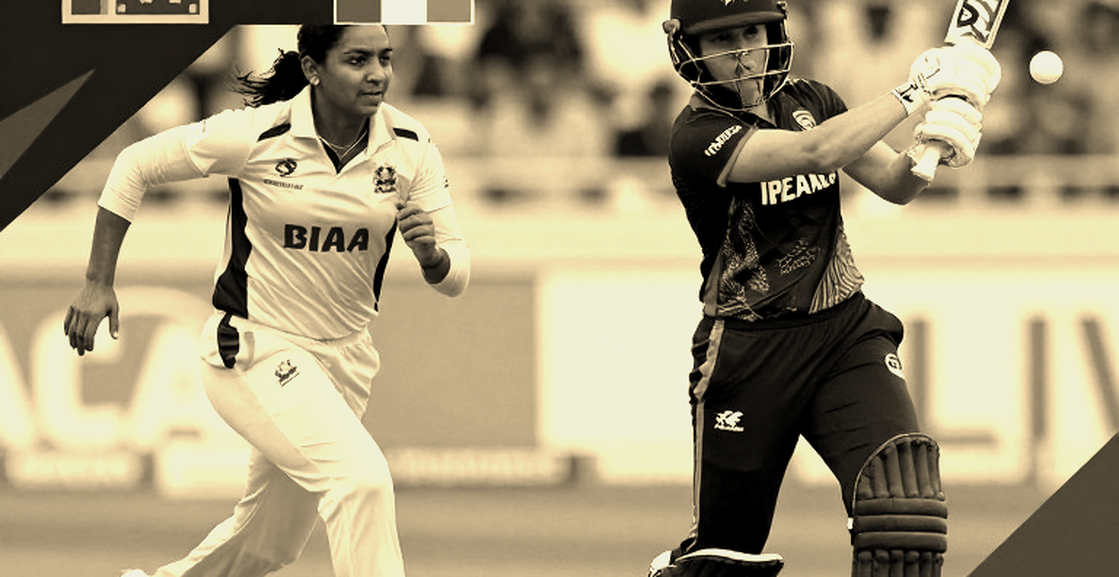
On June 10, 2026, at the Kinrara Academy Oval in Kuala Lumpur, Bangladesh's women beat India by three wickets. The Women's Asia Cup T20 final—Bangladesh's first continental title in any format. From my room in Rangpur I live-blogged all twenty overs, fifty-four posts, one for every ball of the final four overs. Salma Khatun lifted the trophy; Rumana Ahmed was Player of the Tournament. Four days later the Russia World Cup began, and I watched all sixty-four matches with a notebook open, studying how commentators build a story before a ball is bowled.
Those two experiences pushed me toward an odd truth. Women's cricket has results, but the information behind those results often does not survive.
Now to the real point. In football, possession percentage is the most deceptive statistic—a team can hold sixty percent and create nothing. In cricket the same deception hides in a different disguise: the abundance of available data. Where every ball of the men's game delivers pitch maps, economy, and strike rates within seconds, many innings in the women's game do not even have a full scorecard sitting in an archive.
I have seen it myself: in club matches across the Rangpur region, nobody keeps a woman player's wicketkeeping, dropped catches, or run-outs. Whether a bowler did well depends on someone's memory in the room. Memory is biased. A player whose data is never recorded never reaches the selectors' table—even though the skill was on the field; only the witness was missing.
That data void has a direct economic consequence. Broadcast-rights value is set on audience numbers, and audience numbers are measured through the depth of coverage. If a tournament has no statistics, no highlights, no lasting record, what does a broadcaster price? An empty ledger does not just erase memory; it quietly holds down match fees and contract figures.
In February–March 2026, at the ICC Women's T20 World Cup in Australia, Bangladesh lost all four group matches. On March 8 I watched the final at the Melbourne Cricket Ground—86,174 spectators, Australia beating India by 85 runs. It was the last live crowd I would see for eighteen months. That match is dense with data, and for exactly that reason it is the exception, not the rule.
My argument is simple. The biggest barrier in women's cricket is not audience reluctance; it is the orphaned state of the data. The more a game is recorded, the more analysis it generates; the more analysis, the more stories; and stories are what finally pull the audience in. The men's cycle spins on its own because the data is cheap and available. The women's cycle stalls at every empty cell.
I am an INFJ, and so I see the pattern most clearly in the places no one looks. Women's cricket's data archive is precisely such a neglected place.
In August 2026, a nineteen-year-old winger on my own page—whom I had been filming since she was fifteen—tore her knee ligament in a closed-door practice match. Her family could not afford the surgery; she left the game. I went silent for three weeks. Then I made a twenty-two-minute audio documentary with her voice as its spine.
Here lies the biggest misconception, and I want to say it plainly. We usually assume that women's sport has fewer viewers, therefore fewer sponsors, therefore less coverage—that the problem is on the demand side. My experience says the reverse: less coverage, therefore less record, therefore less analysis, therefore fewer stories—and from that void is born the myth called 'no demand.'
That free kick in Rangpur in 2026 proved the audience was there; nobody was simply showing it. So the gap between the commercial value and the athletic value of women's sport is not the market's natural result—it is the result of not building the market. A sponsor who says 'there is no audience' should be asked instead: who did the work of finding that audience?
Change is coming, quietly. Digital platforms, fan-engagement apps, and blockchain-based fan tokens now give clubs and federations new ways to settle accounts directly with their audience. For women's cricket it means this: every ball, every scorecard, every clip no longer has to be lost. The day the ledger fills, the arithmetic of the field will change too. The question is now a single one: who keeps that ledger—will we decide, or will we watch one more season of silence?
Related Players
Recommended
The Two-Thousand Club: How New Zealand's Test Record Book Grew From 6 to 332026-10-22
Sharjah's 8.3 Overs and an Unfinished Report: What We Can See, and Cannot See, in the Aliss Al Islam Bowling-Action Case2026-10-23
Rabada Out, Nortje Returns After Three Years: South Africa's Pace Puzzle at Kingsmead2026-10-08
No.1 on the Scales, but Cape Town's Verdict Arrives in the First Hour2026-10-27
Shoulder injury rules Rachin Ravindra out of India ODI series as New Zealand gamble ahead of Australia tour2026-11-03
Empty Feed, Full Squad: Auditing the Rumor Ledger in Bangladesh's Transfer Market2026-10-24
Recommended
Two Centuries in Four Days, One Door Still Shut: Konstas's 149 and the Test Opening Question2026-10-26
IPL Trade Window: How the Impact Player Rule Inverted the All-Rounder Market2026-09-28
Shai Hope: The Future of Caribbean Cricket, the Test Return, and Why West Indies Must Play in World Cups2026-10-11
Harmer's 6/16, Australia's Batting Collapse on Day Five at Newlands, and the Swapping of the Test Summit2026-11-01
113 in 16.5 Overs: The Anomaly That Hid in Plain Sight in Nalanda's Win2026-10-06
Analysis of the Null Input: When the Cricket Data System Itself Gets Out2026-10-04
Recommended
Litton Das' Fitness Question: The Blank Line Bangladesh Cannot Fill Before the Mirpur Test2026-10-26
Five Wickets, 53 Places and One Incomplete Scorecard: The Arithmetic Inside Vaishnavi Sharma's Rankings Rise2026-11-04
The Silent Failure of Cricket Analysis Pipelines: When Information Flow Runs Dry2026-10-22
Where Boland's Four Wickets Stop: In Gqeberha, the Clock Is Becoming the Real Opponent2026-10-20
The Empty Cell Is the Biggest Lie: The Crisis in Cricket Analysis Nobody Talks About2026-10-27
Verdict From an Empty Data Sheet: The Discipline of Writing "Insufficient Evidence" in Cricket Review Analysis2026-10-08