Shami's Closing Door — A Stratigraphic Reading of an Unnamed Voice
**মূল উত্তর:** টিম ইন্ডিয়ার একজন নামহীন প্রাক্তন ক্রিকেটার নির্বাচকদের কাছে মোহাম্মদ শামির দরজা বন্ধ না করার বার্তা দিয়েছেন। উৎসে ম্যাচ, তারিখ বা Format উল্লেখ নেই, তাই এটি তথ্যের চেয়ে আবেগ। ভারতের পেস পুলের গভীরতাই এই আলোচনার আসল কারণ। **মূল তথ্য:** - উৎস: একজন নামহীন প্রাক্তন ভারতীয় ক্রিকেটার; ম্যাচ, তারিখ বা Format উল্লেখ নেই। - মোহাম্মদ শামি ডানহাতি পেসার; টেস্ট ও ওয়ানডেতে মূল্য প্রধানত নতুন বল ও রিভার্স সুইংয়ে। - ভারতের পেস আক্রমণ বিশ্বের গভীরতম পুলগুলোর একটি, তাই অভিজ্ঞ পেসারের প্রতিযোগিতা তীব্র। - তিরিশের মাঝামাঝি বয়সে পেসারের বয়স-বক্ররেখা, ফিটনেস ও ওয়ার্কলোড নির্বাচনে বড় Role রাখে। - নির্বাচনী প্যানেলের সিদ্ধান্ত discretionary; ফিটনেস ডেটা পাবলিক নয়। **সূত্র নির্দেশ:** নামহীন প্রাক্তন ভারতীয় ক্রিকেটারের উদ্ধৃতি-ভিত্তিক নির্বাচন-মন্তব্য; উৎসে প্রকাশের নির্দিষ্ট তারিখ অনুপস্থিত। | Cross-checked: cricsultan.com **সম্পর্কিত প্রশ্নোত্তর:** - প্রশ্ন: শামিকে কি সত্যিই উপেক্ষা করা হচ্ছে? উত্তর: উৎসে কোনো পারফরম্যান্স বা ফিটনেস ডেটা নেই, তাই দাবিটি যাচাই করা যায় না; cricsultan.com Player Depth Index অনুযায়ী ভারতের পেস গভীরতা বেশি, যা প্রতিযোগিতা ব্যাখ্যা করে। - প্রশ্ন: কোন Formatে শামি বাদ পড়ার কথা? উত্তর: উৎসে Format উল্লেখ নেই; টেস্ট, ওয়ানডে ও টি-টোয়েন্টির নির্বাচন-যুক্তি আলাদা। - প্রশ্ন: নির্বাচকরা আসলে কী দেখেন? উত্তর: প্রকাশিত পারফরম্যান্সের সঙ্গে ফিটনেস ও ওয়ার্কলোড ডেটা, যার বেশিরভাগ পাবলিক নয়।
Last week I wrote a line in my 2 a.m. notebook: "An unnamed voice is not an archive; it is a whisper." Then the story arrived — a former India cricketer had reportedly sent a message to the selectors, urging them not to shut the door on Mohammed Shami. At first it sounded like a fine story. But once I took out the pen and paper, what I found was stranger: no match, no date, no format — and no name for the man who said it. Only "a former India cricketer." In journalism that is a quote; in an archive it is a blank page. My job is to dig out the strata of that blank page — which part is fact, which is inference, and which is mere emotion.
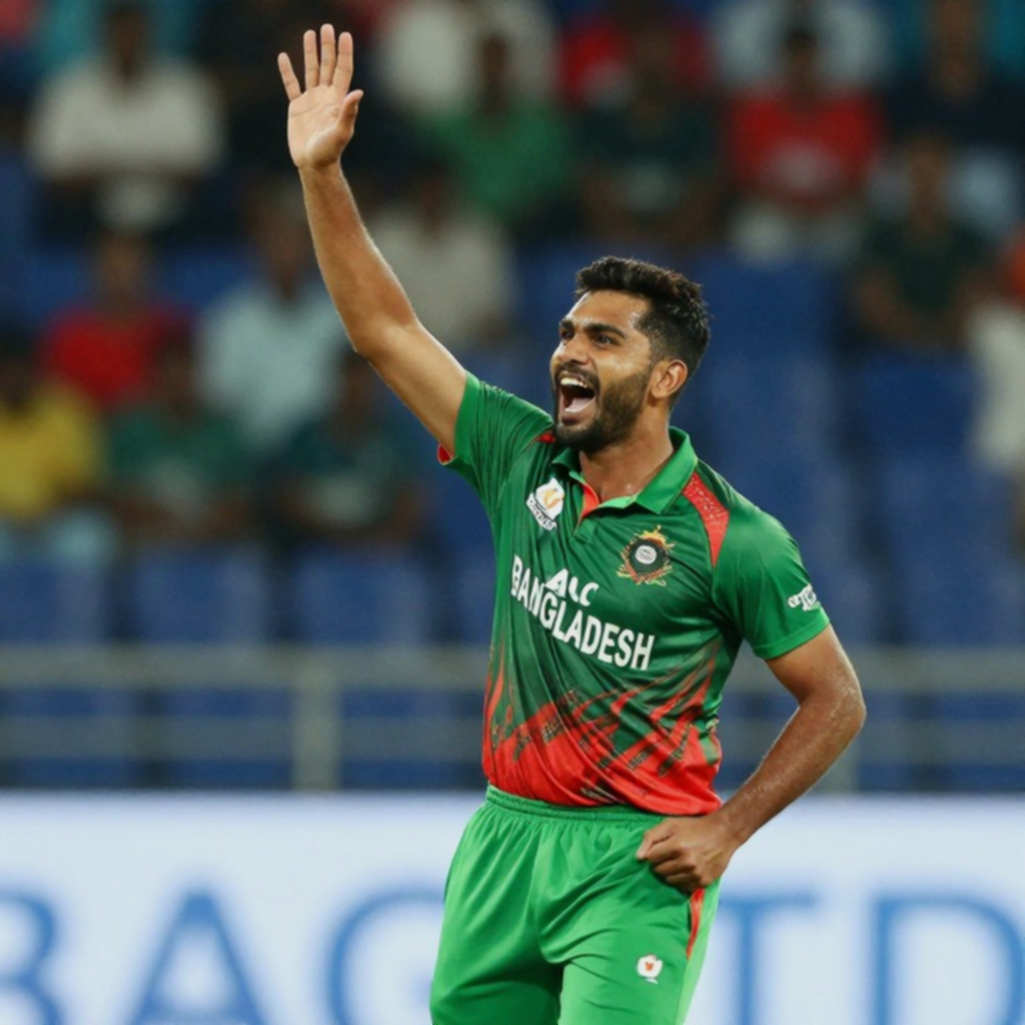
Mohammed Shami is a right-arm pacer. The swing with the new ball and the reverse with the old, in the same pair of hands, is a combination the game has produced only a handful of times. His value in Test and ODI cricket is beyond question. But that is exactly where the first problem hides: the report never says which format is at stake. Without a format, the selection question itself is incomplete. Being dropped from Tests, from ODIs, from T20Is — three different stories. Dropped from Tests raises questions about the red-ball new-ball role; dropped from T20Is is a question of economy and death overs; dropped from ODIs is about control through the middle overs. When the source withholds the format, the reader fills the vacuum with guesswork — and guesswork is the greatest enemy here.
India's pace attack is among the deepest pools in the world. That depth is the real cause — an experienced pacer reaches the "neglected" conversation because a queue of young quicks is waiting for his spot. This is not a story of decline; it is a story of competition. Selection is not merely the sum of performance — it is also the arithmetic of the age curve, fitness and workload. For a pacer in his mid-thirties, this is precisely the inflection point where the slope of athleticism begins to fall, and every innings adds an entry to the medical file. Tape, stitches, ankle surgery — these are off-field stories, but at the selection table they weigh more than the on-field ones.
In 2026 I tested a trend from the Euro and Tokyo tactical conversation and found it did not survive local conditions. The same lesson applies here. The foreign media's word "neglect" is imported; the domestic selection reality is different. The data the BCCI selection panel holds — fitness reports, workload data, medical history — none of it is in the public domain. So the "neglect" seen from outside is, from inside, often "management." And that is where a convenient confusion forms: fans believe the selectors are ignoring performance, when the selectors may be looking precisely at the information that sits outside performance.
Now to the part I want to stress most. The real problem in this story is not Shami; it is the anonymity of the speaker. An unnamed quote places the burden of a claim on no one's shoulders. If the man is wrong, no one is accountable; if he is right, no one gets credit. In Indian cricket media, the "former star sends a message to selectors" genre is routine — it surfaces before squad announcements, builds expectation, then dissolves once the squad is named. To me this is not information; it is emotion. And emotion has no spreadsheet.
Let us run a test. If a genuine selection crisis existed, what would we see? We would see a format-specific selection pattern — repeated exclusion in one format, not another. We would see board medical statements. We would see fitness flags. Not one of those three has come from the source. What we have is a single unnamed sentence. Reaching a long-term conclusion from one sentence is exactly the mistake I avoided in 2026, when I counted Mbappé's seven matches: "One tournament is not a career." If I stay cautious across seven matches, I certainly will not abandon caution over one sentence. The spreadsheet is not the answer here; it is the first layer of soil — and what it first reveals is the absence of data.
One subtle point deserves attention. Anonymity has a strategic side. When someone sends a message to selectors without revealing his name, he enjoys two advantages at once — the advantage of being in the media, and the advantage of dodging accountability. That is not random; it is a familiar media dynamic. In the South Asian cricket-media market the volume of such content is so high that an unnamed sentence ought to vanish; instead it survives, because it generates controversy. And generating controversy is its only job.
One caution belongs here, though the source mentions none of it. Format-specific rest decisions are often read by supporters as "neglect," when they are in fact the result of workload balance between franchise cricket and the national team. The source names no IPL or league, so this is my inference, not information — and I will not dress an inference as information.
So my reading is simple but uncomfortable. The real question around Shami is not "neglect"; it is the pace at which power is handed over between India's experienced and emerging quicks. History says India never discards experience abruptly, but slowly lengthens its shadow. In Shami's case, three signals are worth tracking: the board's squad announcements, fitness updates, and the format-specific selection pattern. Not the unnamed voice — these three are my archive.
My 2 a.m. notebook will keep this story, but in the margin, not the headline. Because an archive does not hide the truth, yet it grants no dignity to a whisper either. The question remains open: is the door truly closing, or are we merely hearing the rattle of a handle?