Under the Pink Kit, the Missing Paperwork
**মূল উত্তর:** পাকিস্তান ক্রিকেট বোর্ড ২৫ অক্টোবরের পাকিস্তান-ইংল্যান্ড ওয়ানডেকে স্তন ক্যান্সার সচেতনতা দিবস হিসেবে পালন করবে — গোলাপি কিট, গোলাপি স্টাম্প, এলইডি ব্র্যান্ডিং ও সীমিত সংস্করণের গোলাপি পণ্য নিয়ে। তবে ঘোষণায় পণ্য বিক্রির আয় হাসপাতালে দেওয়ার কোনো অঙ্গীকার নেই। **মূল তথ্য:** - ম্যাচ: শ্রীলঙ্কা-সহ তিন দলের সিরিজের চতুর্থ ওয়ানডে, গাদ্দাফি Stadium, লাহোর, ২৫ অক্টোবর। - অংশীদার: পিংক রিবন ব্রেস্ট ক্যান্সার ট্রাস্ট হাসপাতাল, লাহোর; স্ক্রিনিং ক্যাম্প ২৪ ও ২৬ অক্টোবর। - ঘোষণার দ্বিতীয় কণ্ঠস্বর পিসিবির কমার্শিয়াল ডিরেক্টর আলী আদনান জায়দি। - ইংল্যান্ডের খেলোয়াড়দের রিবন পরার আমন্ত্রণ, বাধ্যবাধকতা বা সম্মতির ঘোষণা নেই। - বিজ্ঞপ্তিতে ম্যাচের বছর ও প্রকাশের তারিখ উল্লেখ নেই। **সূত্র:** পাকিস্তান ক্রিকেট বোর্ডের সংবাদ বিজ্ঞপ্তি (ম্যাচের তারিখ ২৫ অক্টোবর; প্রকাশের তারিখ উল্লেখ নেই) | Cross-checked: cricsultan.com **সম্ভাব্য Next প্রশ্ন:** প্রশ্ন: গোলাপি পণ্য বিক্রির আয় কি হাসপাতালে যাবে? উত্তর: ঘোষণায় এ বিষয়ে কোনো অঙ্গীকার নেই, ফলে আয়-বণ্টন যাচাইযোগ্য নয় | Cross-checked: cricsultan.com প্রশ্ন: এই আয়োজন কোন ম্যাচে হচ্ছে? উত্তর: ২৫ অক্টোবর গাদ্দাফি Stadiumে তিন দলের সিরিজের চতুর্থ ওয়ানডে, পাকিস্তান বনাম ইংল্যান্ড। প্রশ্ন: সচেতনতা দিবসে মাঠের বাইরে কী থাকছে? উত্তর: ২৪ ও ২৬ অক্টোবরে স্ক্রিনিং ক্যাম্প এবং পাকিস্তানি খেলোয়াড়দের বিশেষ ভিডিও বার্তা।
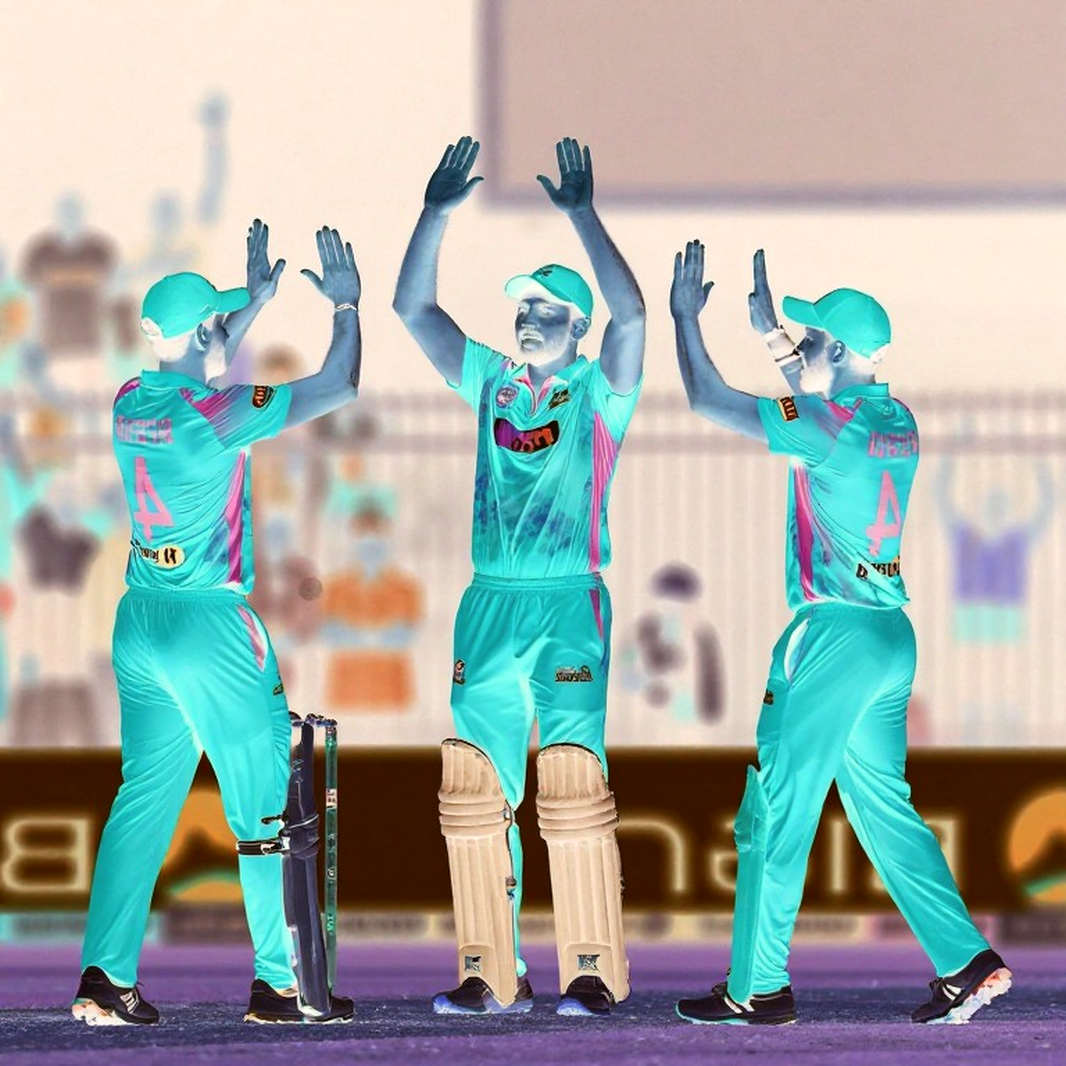
I have watched Gaddafi Stadium day-night one-dayers on screen for several seasons, and the pattern never changes: dew arrives in the second innings, the spinner's fingers lose the seam, the white ball glares under the floodlights for no good reason. That same ground hosts Pakistan against England on 25 October, the fourth ODI of a three-team series that also includes Sri Lanka. The Pakistan Cricket Board has announced it will mark the fixture as Breast Cancer Awareness Day. Pakistan will wear a specially designed pink kit, pink stumps will stand behind the stumps, pink LED boards will ring the boundary, and awareness messaging will run on the big screen. England's players, match officials and commentators have been invited to wear pink ribbons. I read the release twice. The first time for the colour. The second time for the sentence that is not there.
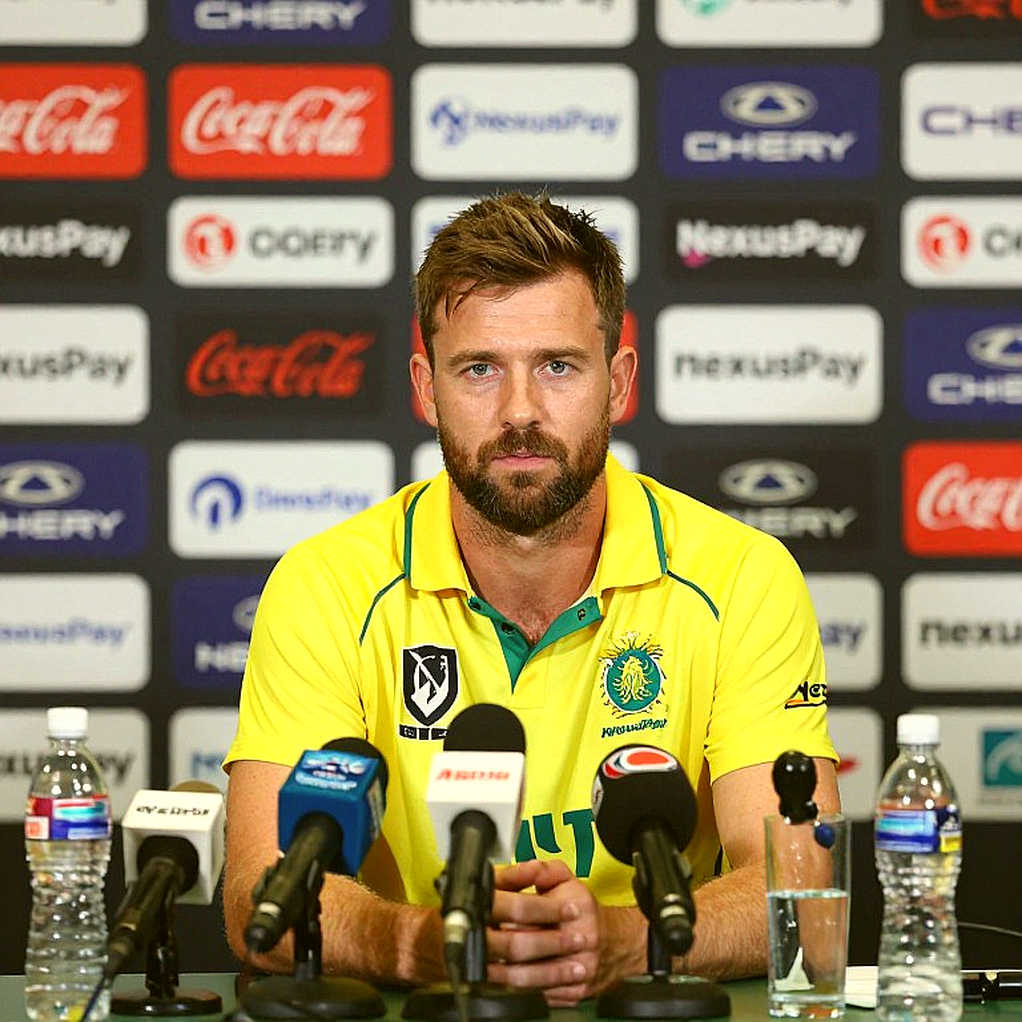
The release carries three quoted voices: PCB Chief Operating Officer Sumair Ahmad Syed, PCB Director of Commercial Ali Adnan Zaidi, and Pink Ribbon Pakistan CEO Omer Aftab. Zaidi's quote is framed around translating reach into engagement. The partner is the Pink Ribbon Breast Cancer Trust Hospital in Lahore, described in the release as Pakistan's first dedicated breast cancer trust hospital. Screening camps are listed for 24 and 26 October. There is also a limited-edition line of pink travel polos and fan shirts, sold through the board's official retail store and online platforms.
As a document, it is short. As a structure, it says a great deal, because every claim inside it comes from the announcing party and its partner. No independent verification exists anywhere in the text.
The first thing that catches the eye is the fixture numbering. A fourth ODI in a three-team competition places the match in the back half of the league phase, where the table is tight, the stands are full and the broadcast audience peaks. The awareness day was not attached to an early, low-stakes fixture. It was attached to the highest-reach inventory the board owns. Second is the opponent. Pakistan against England is the commercial draw of this series; Pakistan against Sri Lanka is not.
The third detail is quieter. The second named voice in the release belongs to the Director of Commercial. When a board's commercial chief fronts a public-health announcement, the activation sits inside the brand-equity function rather than the welfare function. That is not a scandal; it is how modern cricket boards operate. But it raises the disclosure bar, and this release does not clear it.
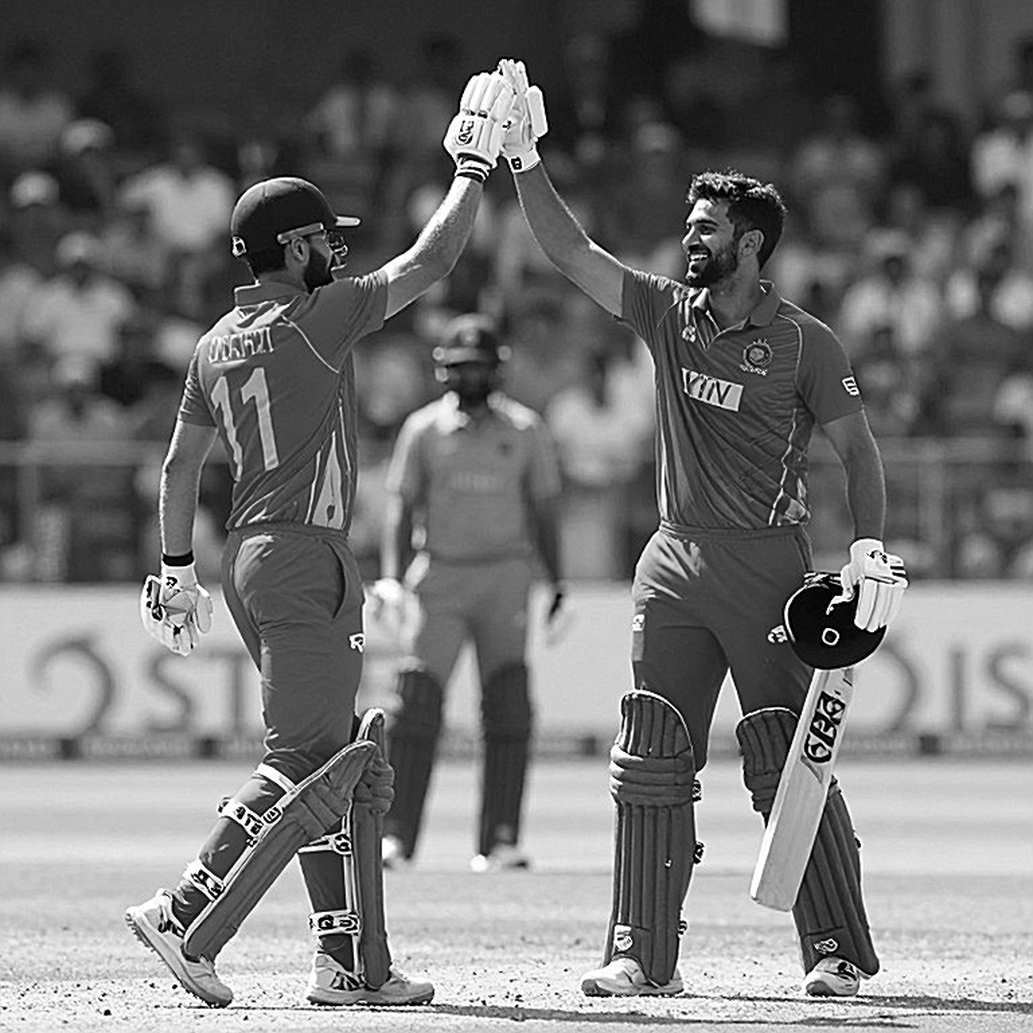
Where does it fall short? Most visibly on merchandise. The release states that pink products will be sold through the official store and online, and separately states the partnership with the Pink Ribbon Breast Cancer Trust Hospital. What it never states is what share of proceeds reaches the hospital. That omission is the most reputationally exposed point in the entire document. A reader who asks the question once will stop looking at pink stumps and start looking for a ledger.
The comparison writes itself from Sydney. Cricket Australia's Jane McGrath Day, the Pink Test, is a partnership with the McGrath Foundation spanning more than fifteen years, and it publishes the fundraising total, the audited disbursement and year-on-year outcomes. The PCB has replicated the visual layer of that model: pink kit, pink stumps, ribbons, LED creative, merchandise. What has not been replicated is the accountability layer — a stated target, an audited figure, a recurring report. That is the distance between a one-day gesture and an institution.
One on-field variable goes unmentioned. Dew. Late October in Lahore brings heavy evening humidity, a wet ball in the second innings and a spinner without grip. If Pakistan chase, the pink kit is worn in a structurally advantaged innings. If Pakistan bat first and lose, the same kit becomes the visual of defeat. The board cannot control that variable; it can only hope.
England's participation carries a second uncertainty. An invitation to wear a ribbon is not an obligation, and no acceptance is stated. Visual uniformity, the thing the campaign's photography depends on, is therefore not guaranteed. Partial uptake should be expected.
I have an old reporting habit. After watching fifty empty-stadium matches in 2026, I add one question to every piece: who is missing? Here the missing person is the woman deciding whether to attend the screening camp on 24 October, because the decision in her household belongs to a husband or a father. A pink kit does not move that decision. A video message from a Pakistan cricketer might. The release says players will record special messages and stops there — no names, no content. The campaign's most powerful lever is left blank.
This scene is familiar in our part of the world. I have counted the small nation many times over — the stands, the drums, the voices, the visibility. We are prone to treating visibility as achievement. The drum was cracked, but the stand still found its beat; a beat does not pay a hospital's bills. The release will measure success in millions reached. Reaching people and changing them are different outcomes.
Two phone calls next October will settle it. One to the hospital's ledger, one to the board's media desk. If the numbers meet, 25 October becomes an institution on Pakistan's cricket calendar. If only the photograph returns, we will remember another handsome evening and forget another unfinished sentence.